Truth & Goodness
When Geography Turns Prestige Into a Burden
20 August 2026





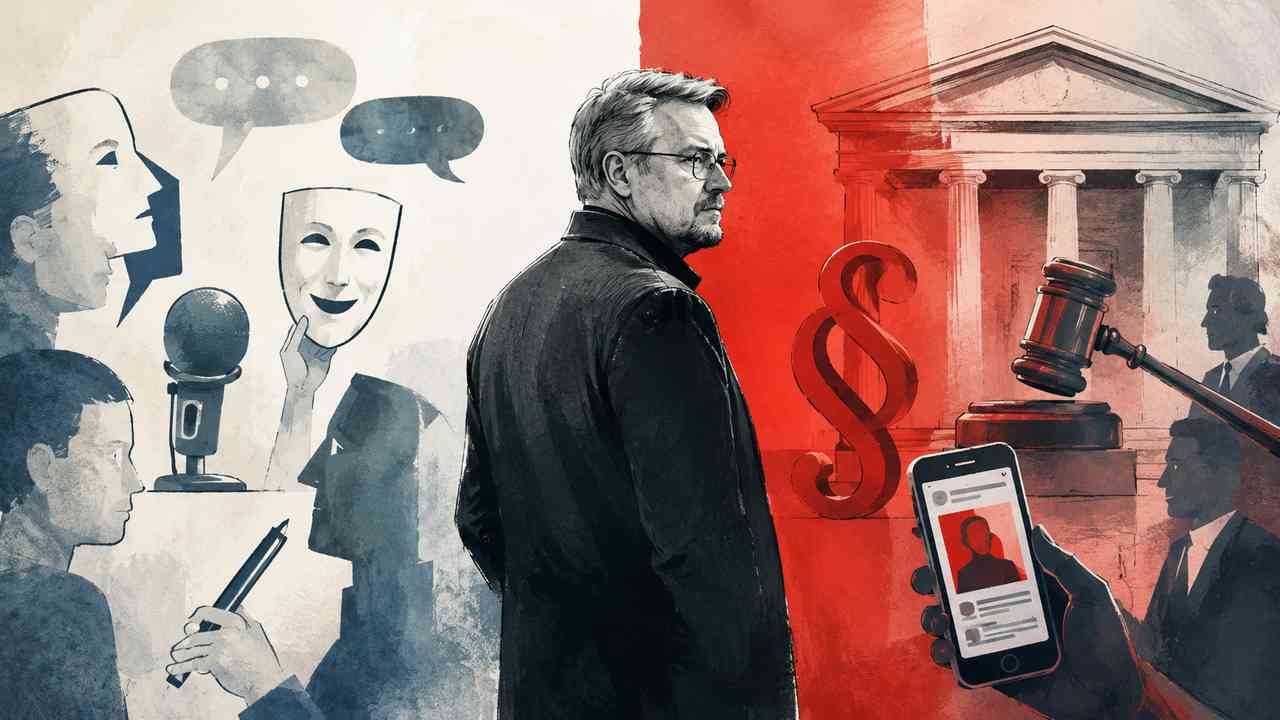
Defamation lawsuits often begin with a simple principle: every citizen has the right to respect for their dignity and reputation. If someone believes that right has been violated, they can defend it in court and seek appropriate compensation. It does not matter whether that person is an ordinary citizen, a celebrity, or a multimillionaire. Even criminals have a right to similar protection.
The protection of intangible values such as reputation and dignity seems obvious and appears to meet not only universal ethical criteria, but even the standards of what we might call “popular justice”: the common sense of what is right and what is wrong. Yet when we look more closely, the problem turns out to be far from simple, and not at all easy to judge. Different countries protect honour and reputation to different degrees. They also adopt different rules for defending them, and their courts vary in how severely they treat people accused of violating the law.
Thousands of judicial panels have already dealt with questions related to the protection of personal interests. The Supreme Court has ruled and issued opinions on them, and even the European Court of Human Rights has spoken on the matter. It has wisely stated that public figures, including politicians, must accept a somewhat lower level of protection than other citizens, because citizens have a right to criticise those in power, and muzzling that criticism would threaten freedom of speech.
The European Court of Human Rights has therefore said that politicians should have thick skin and that this is the price they must pay for belonging to a class that, in other respects, enjoys privilege.
Ruling on the protection of personal interests often creates real difficulty. On the one hand, the legislature gives us freedom of speech and constitutionally guarantees the right to criticism, satire, irony, and caricature. On the other hand, it also protects everyone’s dignity and reputation.
Courts therefore often struggle to decide when someone has crossed the limits of free speech. And unfortunately, we sometimes see absurd situations in which courts punish people for telling the truth. Say, for example, that you publicly call someone a thief after a court has convicted that person of theft. A court may decide that you told the truth, but still violated your opponent’s dignity and must therefore face punishment. Foolish and unethical?
Yes. But in Poland, many judgments have occurred in which the court did not ask what the TRUTH was, but what the person about whom that truth had been spoken felt. The reverse has also happened: there have been trials in which people lied about certain individuals, yet the court found that the accused, though lying, acted in the public interest and therefore released them from punishment. Foolish and unethical? Absolutely. But many Polish judges do not judge on the basis of law and morality. They follow ideological sympathies and the loyalties of their own professional circles.
Some people take offence at everything: a joke, irony, satire, caricature. I have even known artists who took criticism of their work so personally that they threatened unfavourable reviewers with lawsuits. Today, similar threats come not only from artists, but also from the owners of hotels or restaurants that receive negative reviews.
In old Poland, in the Polish-Lithuanian Commonwealth, the noble republic of the early modern era, litigious quarrellers formed a familiar social type. Aleksander Fredro mocked such attitudes brilliantly in Zemsta (The Revenge), his classic Polish comedy, by giving us the character of Rejent Milczek, a scheming notary.
In recent days, we have seen similar litigiousness on the contemporary Polish entertainment scene. Zenon Martyniuk, a disco polo singer from Poland’s hugely popular pop-folk dance genre, grew so furious over actor and singer Jacek Kawalec’s cabaret parody of his work that he threatened him with a lawsuit. Well, clearly the parody hurt. But that is the price of fame, money, and celebrity. Martyniuk must understand that no exceptional immunity protects him, as if he were the British monarch.
Very often, however, violations of personal rights leave no room for doubt. We deal with such violations when someone tells blatant lies about us. For example, someone claims that we committed a crime or an unethical act, and that person cannot prove the statement in any way.
A relatively new form of violation involves producing “fake” advertisements that show well-known people — artists, politicians, journalists, and others — praising a given product, even though no one has signed any contract with them and they themselves have never even seen the product.
And now we come to the crème de la crème: the case of Polish billionaire Rafał Brzoska’s war with Meta, the company that owns Facebook and Instagram. Brzoska has long been fighting the fact that ads have appeared on Facebook portraying him in a terrible and, crucially, completely false light. They claim, for example, that he and his wife have been arrested or that he beat his wife.
What makes the situation even more irritating is that these false stories come with AI-generated images. Facebook washes its hands of the matter, claiming that it does not control the ads placed on its platform because anyone can buy such an ad. Yet while Facebook does not want to take responsibility, it gladly takes money for scams of this kind.
Reuters has reported that the American corporation makes 16 BILLION dollars a year from false ads, scams, and illegal gambling. So you can see that the conflict has not only an emotional dimension, but above all a financial one. We might put it this way: Meta is making a fortune by hurting people, while Rafał Brzoska wants to stop the corporation from hurting them further. One can only applaud and be glad that a multimillionaire has declared war on these indecent practices — someone who can simply afford to fight a media giant.
For me personally, freedom has always mattered most. Freedom of thought and speech, which expresses itself, among other things, in the fact that we do not bite our tongues, do not gag ourselves with our own hands, and do not fear saying what we think. Large corporations, politicians, and often artists or celebrities as well, frequently try to destroy criticism and use intimidation to achieve that goal. For most ordinary citizens, the mere threat of a lawsuit already creates enough fear.
They do not know how to cope with complicated legal proceedings. They fear enormous costs, and sometimes also a defamation campaign directed against them. This is exactly how society gets “worked on,” year after year: so that people stop speaking on sensitive subjects, go with the current of “political correctness,” and close their eyes to villainy and crime.
And now, at the end, comes the sad story of punishing the “sheriffs” who proclaim the truth. According to the author’s account, Jason Arday, whose work and record later became the subject of serious public allegations, built a career at the University of Cambridge while receiving strong institutional support because he was Black. Another academic, philosophy professor Nathan Cofnas, claimed to have uncovered and documented allegations of forgery, fraud, and plagiarism. And Cofnas has now been suspended by his university after showing what he described as the truth about Arday’s misconduct. Well, sadly, that is how today’s world can treat uncomfortable speech: not only through public outrage, but also through defamation lawsuits, institutional pressure, and the fear of saying too much.
Rread this article in Polish: Jacek Piekara: o cenie mówienia tego, co niewygodne

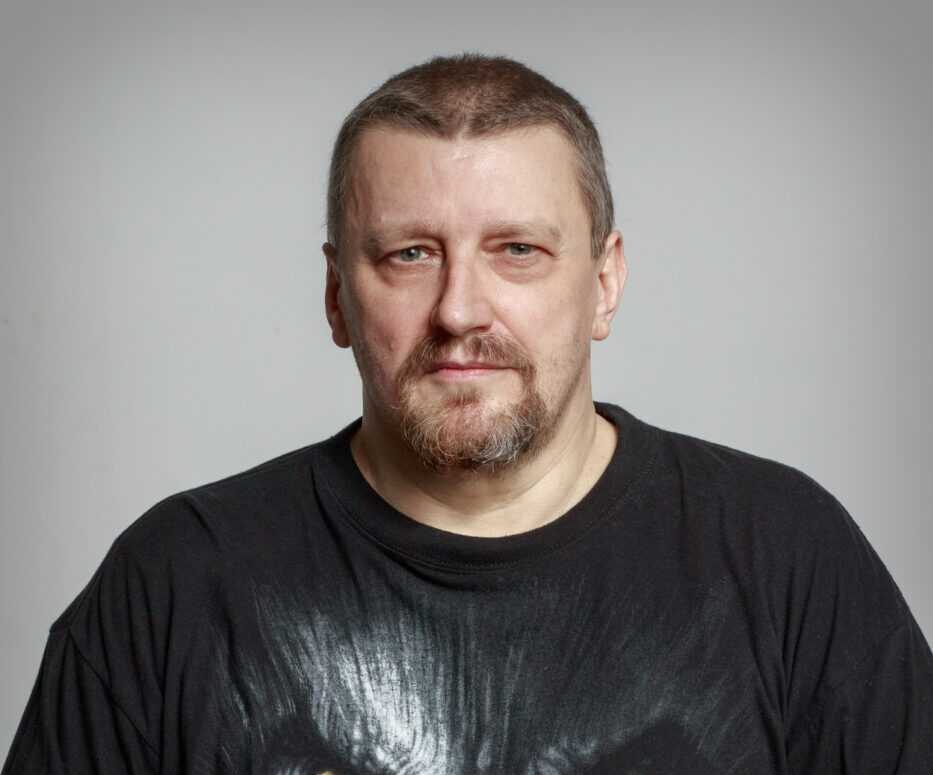
Jacek Piekara: One of Poland's most popular fantasy writers, a journalist, and a columnist. He is the author of the widely acclaimed "Inquisitor Series" (Cykl Inkwizytorski), dozens of books, and numerous short stories. Piekara has also contributed to specialized and popular press, including the magazines Click! and Gambler. In addition to literature, he writes scenarios for computer games and works as a publicist.


Zmień tryb na ciemny