Education
The Same Problem Feels Different in Another Language
15 October 2026



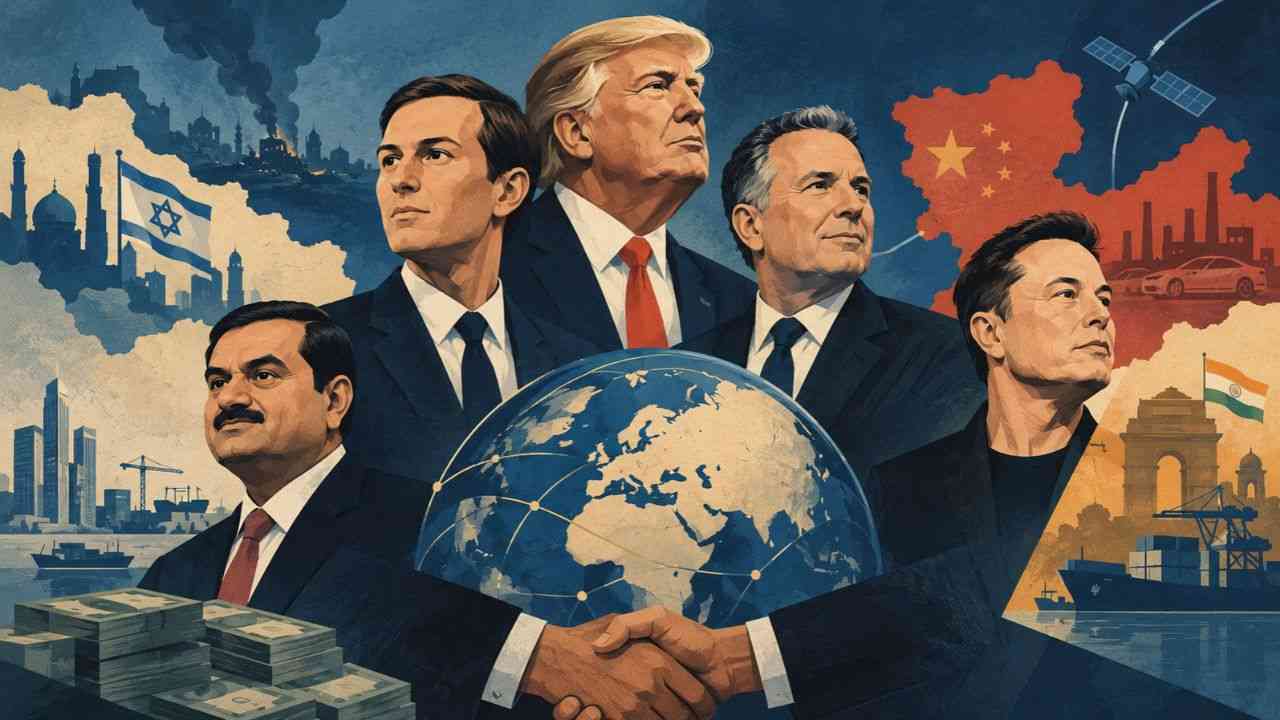
They have achieved everything in business. Now they are turning to foreign policy. They bring a fresh approach to billionaire diplomacy, often steering it in controversial directions. Yet we are the ones paying the price for their actions—and we are already paying it.
During Donald Trump’s 2nd term as U.S. president, this duo has appeared in some of the world’s most volatile places, wherever America seeks to protect its interests. Jared Kushner and Steve Witkoff, two New York billionaires – Trump’s son-in-law and his friend—have sidelined American diplomats and taken the lead in reshaping the White House’s foreign policy. Before Trump, America had never seen anything quite like it.
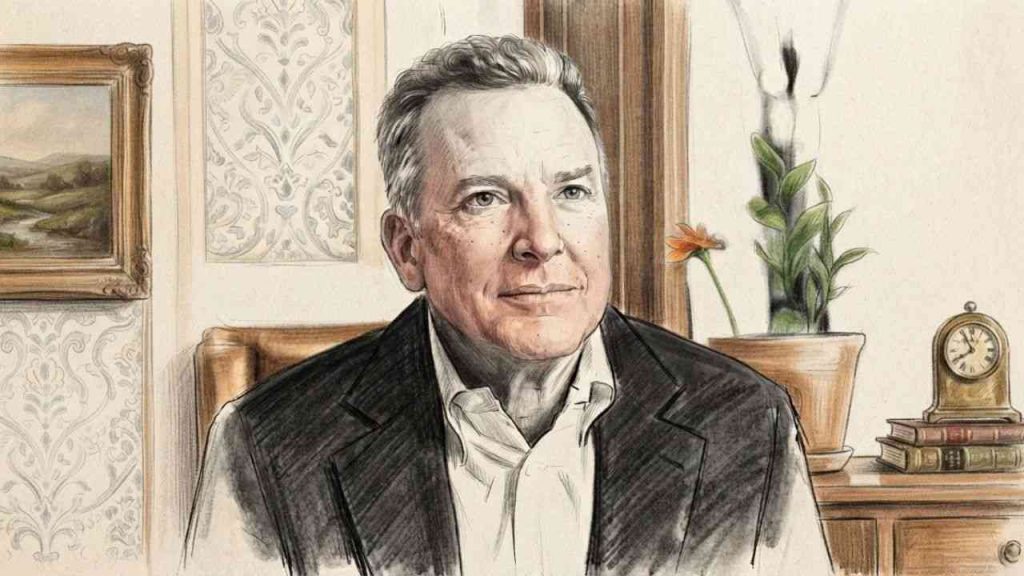
Billionaires have certainly wielded considerable influence over American diplomacy before, looking after their business interests abroad. David Rockefeller (1915–2017), for example, took a keen interest in protecting his business interests in the Middle East. Yet even that influence pales beside the clout Kushner and Witkoff enjoy within the American administration.
Both men made their fortunes in real estate. Now they travel the world, negotiating international “deals” on behalf of Donald Trump, who says he trusts them implicitly. Last year, Axios, which has excellent contacts within the U.S. government, published an analysis of Witkoff’s activities under the telling headline “How Trump’s dealmaker is shaping U.S. foreign policy.”
Witkoff, in particular, has left an impression on people in our part of Europe because of his “distinctive” approach to talking with the Russians. This has included complimenting Vladimir Putin and portraying him as a caring, religious man. In a conversation with Tucker Carlson, Witkoff emphasized that Putin had told him he prayed for Trump after the attempt on his life.
It was no secret that Witkoff, while representing the United States, had a keen understanding of the Russian perspective. In September this year, Witkoff and Kushner finally appeared in Kyiv. Ukrainians hope their understanding of the conflict will become somewhat more nuanced.
But Witkoff and Kushner have left a particularly strong mark on the Middle East. They were, after all, the ones conducting talks with Iran, and their assessment of the intentions of the regime’s representatives in Tehran led Trump to decide to launch an open conflict.
Marco Rubio, who serves as both secretary of state and national security adviser, seems to have been reduced to the role of a bystander.
That was how The New York Times described Witkoff and Kushner’s standing a week before war broke out with Iran.
Both billionaires take an overwhelmingly pro-Israel stance. For years, Israel had pressed successive American presidents to join it in striking Iran and destroying its regime. The Middle East also appears to be Witkoff and Kushner’s most important arena abroad. Kushner played a significant role in negotiating the 2020 Abraham Accords, which normalized relations between Israel, the United Arab Emirates, and Bahrain.
Yet, as Democratic politicians and numerous mainstream American news organizations have pointed out for years, combining the role of a U.S. special envoy in international negotiations with running private businesses raises serious questions.
Some Democrats and government watchdog groups have expressed skepticism about Kushner’s role in shaping the administration’s Middle East policies while he manages billions of dollars in investments, including money from the sovereign wealth funds of Saudi Arabia and Qatar, through his firm, Affinity Partners. Witkoff has similarly faced scrutiny over the extensive business ties that he and his family maintain with Gulf states.
Matthew Lee and Aamer Madhani highlighted these concerns in an Associated Press report last year.
In 2024, the Witkoff and Trump families entered the cryptocurrency business together, creating World Liberty Financial. Critics sounded the alarm when news emerged that a fund controlled by the authorities of the United Arab Emirates had poured $2 billion into the venture.
No list of American billionaires influencing their country’s foreign policy would be complete without Elon Musk. The world’s richest man broke with Donald Trump in spectacular fashion in June last year. Since then, however, relations between the two billionaires have become quite cordial again. The approaching congressional elections are a particular reason: the importance of Musk’s financial backing for Republicans is hard to overstate.
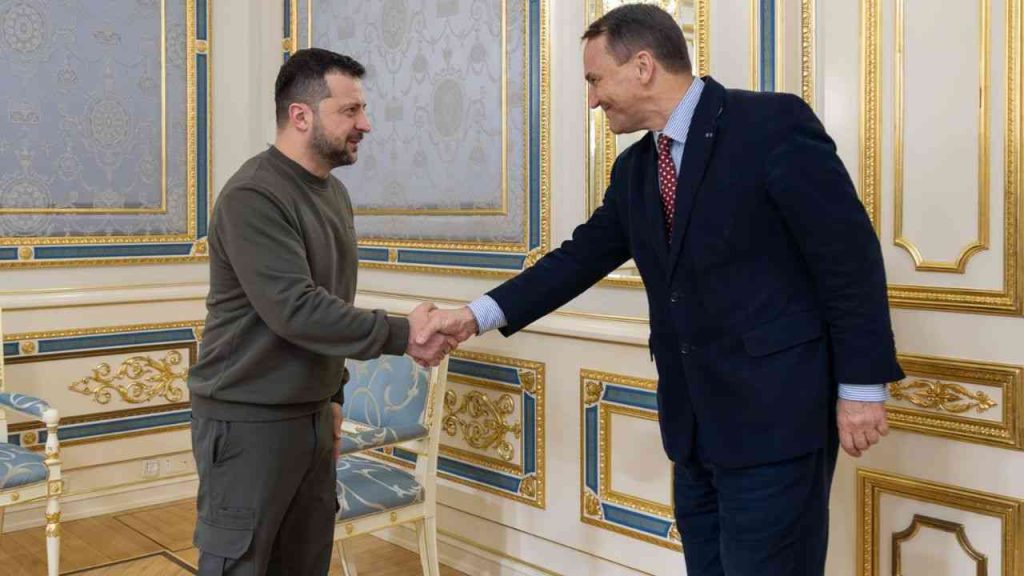
Musk demonstrates his international power in several areas. One is Starlink. According to a Reuters investigation, Musk ordered internet access cut off in key areas along the front during a Ukrainian offensive in the fall of 2022. The famous row a year ago between Polish Foreign Minister Radosław Sikorski and Elon Musk over Starlink’s use also showed how directly the American tycoon’s activities extend into foreign policy. During that exchange, Musk stressed that Ukraine’s front line would collapse if he switched off his service.
Elon Musk has also emerged as a strong advocate for normalizing economic relations between the United States and China. Many politicians on Capitol Hill argue that this is the last opportunity to try to prevent China from growing powerful enough to pose a real threat to the United States. Trump initially sought to put pressure on Beijing through tariffs, but Musk did everything he could to temper Washington’s hawkish impulses.
This undoubtedly stems from the billionaire’s extensive business interests in China, including a vast Tesla car factory in Shanghai. His stance on China has made Elon Musk deeply unpopular among Taiwanese people who favor their island’s independence. In a 2022 interview with the Financial Times, the Tesla chief suggested that Taiwan should become a “special administrative zone” under an agreement with Beijing…
Countries such as China and Russia have no shortage of the superrich. Yet their influence over the direction those countries take is virtually nonexistent. The oligarchs do not form the center of power there. That position belongs to the security services in Russia and the party in China. Things look different in the world’s largest democracy: India.
With a fortune of almost $100 billion, Gautam Adani sells just about everything: energy, cement, weapons, and food. He also operates in the services sector, owning airports and seaports. Some, including the Financial Times, have called him “Modi’s Rockefeller,” underscoring his close relationship with India’s prime minister.
Adani competes with Mukesh Ambani for the title of India’s richest man. The two trade places at the top of the list. Yet Adani more often makes headlines over allegations of questionable business practices.
“What Elon Musk is to U.S. President Donald Trump, Adani is to Modi. With 1 crucial difference: Adani holds no position in India’s government,” The Diplomat wrote about Adani last year. “Modi travels the world promoting Adani’s business interests. In doing so, however, India’s prime minister has damaged his country’s relations with at least two neighbors, Bangladesh and Sri Lanka, as well as countries such as Kenya—places where Adani’s projects have caused local controversy and resentment.”
Reports like these have made people across India aware of just how much influence their billionaire wields over foreign policy as he expands his empire around the globe. And if anyone confronts him with the accusation that billionaire diplomacy is helping privatize the foreign policy of a country of 1.5 billion people, Adani can always reply: “At least I’m being more subtle about it than the Americans!”
Read this article in Polish: Dyplomacja na sprzedaż? Jak wielki kapitał wpływa na politykę


Journalist with a degree in American studies, writing mainly about foreign policy and history. Author of numerous reports on international issues and interviews with leading experts in the field of economy, geopolitics and history. Since March 2023, editor-in-chief of the monthly "Historia Do Rzeczy".



Zmień tryb na ciemny