Humanism
What Happens When Winning Stops Being Proof of Worth?
11 October 2026





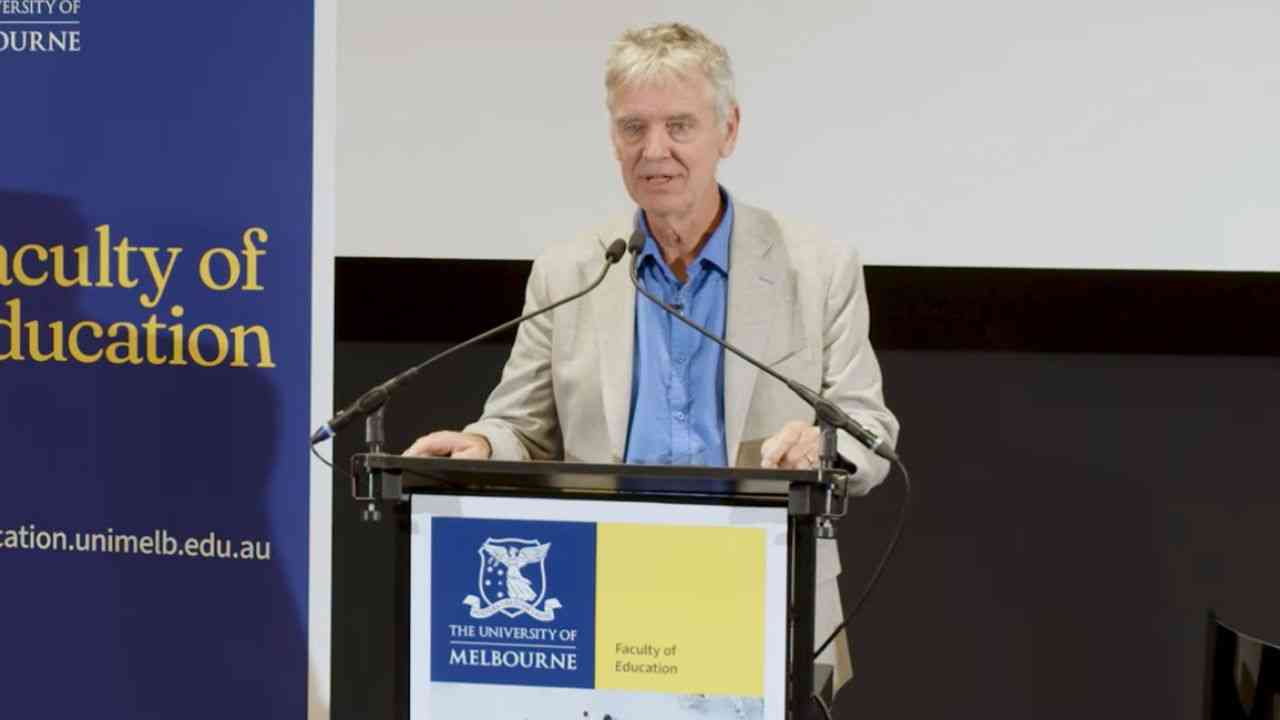
Children sit quietly, answer questions correctly, and get good results. Yet none of this proves that a school truly teaches well. In conversation with Patrycja Krzeszowska, Prof. John Hattie, author of Visible Learning, suggests asking students something else: what they are learning, how they know they are making progress, and what they do when they do not understand. Their answers may reveal more about a good school than grades alone.
The term “Visible Learning” has become a global educational movement. How would you like people to understand it, and what do you think is the most common misunderstanding about what it really means?
The main message is for educators to adopt an evaluative-thinking mindframe—to continually evaluate their impact on student learning. This requires a broad conception of impact, including progress and achievement, a climate in which errors are welcomed, confidence to embrace challenge, and the development of a lasting love of learning.
It also requires drawing on multiple sources of evidence, triangulating those sources, seeking alternative interpretations from colleagues and students, and then using that evidence to decide what to retain, adapt, or change. Visible Learning is therefore less about implementing a particular strategy and more about knowing one’s impact and responding intelligently to it.
The most common misunderstanding is that it is a checklist of high-effect teaching strategies. It is not.
One of the central ideas in your work is that teachers should see learning through the eyes of their students. But how can this be achieved in classrooms of 25 or 30 students, as is often the case in Poland, where some students grasp new concepts immediately, others are too afraid to ask questions, and still others have already disengaged because their attention is captured by their smartphones?
Seeing learning through students’ eyes does not mean knowing everything about every student at every moment. It means deliberately creating frequent opportunities to hear their thinking: through discussion, questioning, and listening and reacting to their questions, short written responses, observation, peer dialogue, and checks for understanding. The crucial question is not “Have I taught it?” but “What did each student learn, misunderstand, or become ready to learn next?”
In a class of 30, teachers need efficient ways of making all students’ thinking visible—not only listening to those confident enough to raise their hands. I observe so many teachers in larger classes doing this much better than teachers in smaller classes. It does mean reducing teacher talk, more collaborative activities to hear the learning, and teaching students to drive their learning.
Smartphones are part of this challenge, but disengagement is rarely solved by technology rules alone. Students are more likely to attend when learning is appropriately challenging, progress is visible, errors are safe, and they believe their participation matters.
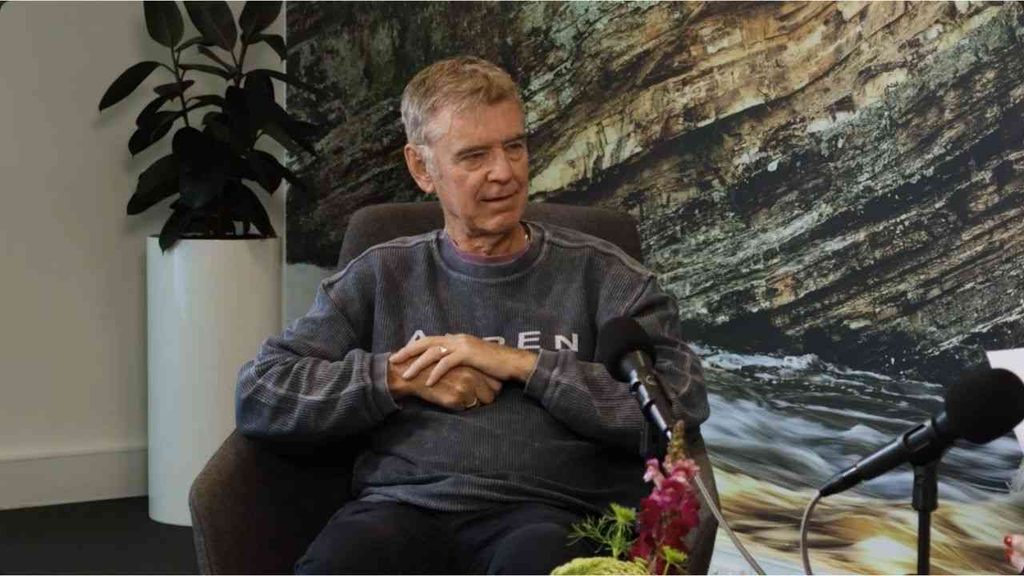
Many teachers are familiar with the research on what makes teaching effective, yet classrooms often look much the same as they did decades ago. In your view, what is the greatest barrier to meaningful change: lack of time, school culture, leadership, teacher workload, or something else?
Yes, teaching has barely changed for 100 years partly because most of the current “grammar of schooling” kinda works. My view is not for a wholesale transformation but primarily a different, more powerful way of thinking—evaluative thinking, asking for evidence where and with whom you can improve, high expectations, creating an inviting climate, welcoming errors as opportunities to learn, not sources of embarrassments, and continually asking the 3 Impact questions: what did I teach well and what not? Whom did I teach well and whom not? And how much improvement accrued from my impact on students today?
The greatest barrier is not a lack of knowledge but the difficulty of changing deeply established ways of thinking and working. Time, workload, leadership, and school culture all matter, but they become especially powerful barriers when teachers work in isolation and define change as adopting yet another program. Meaningful improvement happens when educators collectively examine credible evidence of their impact, feel safe acknowledging what isn’t working, and have the time and support to improve together. The key is not persuading teachers to change for its own sake, but helping them see why change is needed, what is worth changing, and whether the change is benefiting their students.
For many years, you’ve argued that educational decisions should be grounded in evidence. Do you see a risk that schools are beginning to value only what can be measured, while overlooking qualities such as character, curiosity, and wisdom? How can we evaluate a school’s effectiveness without reducing student development to a set of performance indicators?
But we can evaluate all these attributes—not necessarily through tests or observation schedules, but through informed professional judgment based on multiple sources of evidence. The important questions are: Does the teacher regard the evidence as compelling? Are the interpretations credible, preferably tested with colleagues and students? Do they lead to decisions that improve the teacher’s impact?
The danger is not measurement itself, but allowing a narrow set of indicators to define what matters. A school’s effectiveness should be judged through interpretations and consequential actions on the learning lives of students on the basis of evidence of achievement and progress, alongside evidence of curiosity, character, wisdom, belonging, confidence, and love of learning. The aim is not to reduce these qualities to numbers, but to make defensible judgments about whether the school is helping students develop them.
You’ve often emphasized the importance of feedback and teachers reflecting on their own practice. Would you agree that the future of teaching is less about delivering knowledge and more about continually experimenting, learning, and refining one’s practice?
I would resist setting these against each other. Teachers must possess and teach rich knowledge, but expertise lies in knowing how to make that knowledge learnable for particular students. The future of teaching is therefore adaptive expertise: continually seeking evidence of impact, learning from feedback, and refining practice. Experimentation is valuable, but not innovation for its own sake. The question is always: What improved in students’ learning, for whom, and what should I do next? Teachers should become learners of their own impact.
How can we tell the difference between a school that genuinely fosters learning and one that simply performs well on paper? If you were to spend just one day in an unfamiliar school, what questions would you ask students and teachers to determine whether meaningful learning is actually taking place?
A school that genuinely fosters learning is not simply one in which students achieve high scores; it is one in which students and teachers can describe what is being learned, recognize progress, respond constructively when learning stalls, and explain what they will do next. Results on paper may reflect prior achievement, selective enrolment or family advantage. The more important question is the school’s contribution: are students making progress, becoming appropriately challenged, and developing the confidence and agency to become their own teachers? I am therefore more convinced by progress to achievement—and yes, I am greedy, as I want both.
If I had 1 day in an unfamiliar school, I would ask students:
I would ask teachers:
In a genuinely learning-focused school, students and teachers share a language of learning, challenge, progress and impact. Students are not merely compliant or busy; they know where they are going, can evaluate where they are, and understand their next steps. Teachers see themselves as evaluators of their impact, not simply deliverers of lessons. That is much harder to manufacture for a visitor than an impressive set of performance metrics.

Do you think today’s schools reward intellectual courage more than the ability to avoid mistakes or is it the other way around? What do you think drives this tendency?
Too often, schools reward the avoidance of mistakes more than intellectual courage. Students quickly learn that the safest route is to provide the expected answer, remain within the rubric and avoid exposing uncertainty. Yet meaningful learning requires the opposite: being willing to offer a tentative idea, test an explanation, revise one’s thinking and acknowledge, “I do not yet understand.” Surely, a great educator and student is one who knows what to do when they do not know what to do!
This tendency is driven partly by an education system that makes errors highly visible but makes learning from errors comparatively invisible. Grades, examinations, accountability measures and public comparisons privilege correct performance at a particular moment. Teachers also work under considerable time pressure, so obtaining the right answer can appear more efficient than exploring the reasoning behind a wrong one. Students consequently come to regard mistakes as evidence of low ability rather than information about where learning should go next. This is a travesty.
The answer is not to celebrate every mistake. Some errors arise from carelessness or insufficient effort. Intellectual courage means taking a reasoned risk: attempting something difficult, making one’s thinking visible, listening to critique and being willing to revise. Schools foster this when teachers respond to errors with curiosity—“What were you thinking here?”—and when assessment gives credit not only for correctness, but also for explanation, improvement and transfer. The crucial message must be: you are not diminished by being wrong, but you are responsible for learning from it.
Read this article in Polish: John Hattie: Dobre wyniki to za mało. Tak poznasz dobrą szkołę

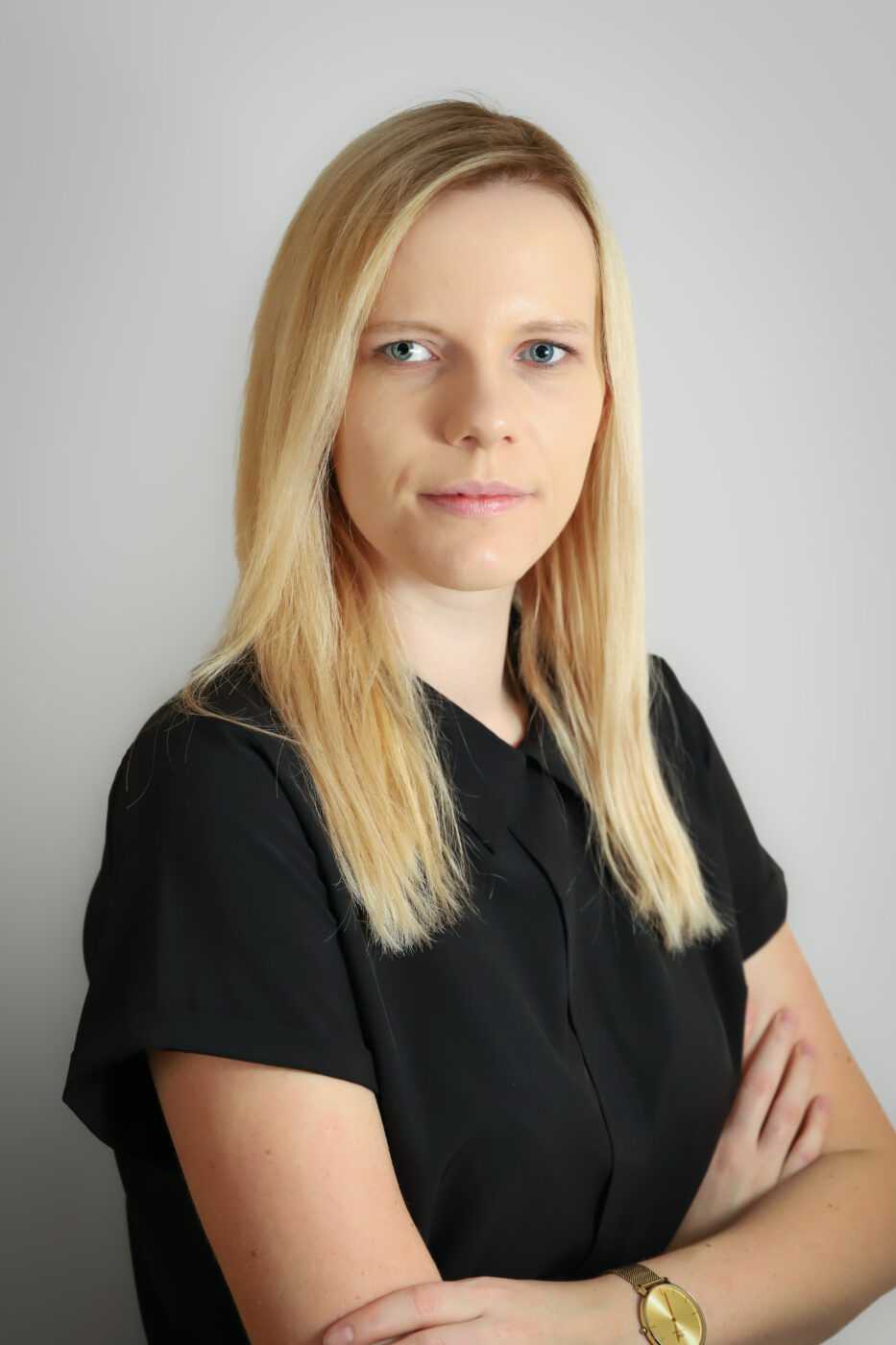
A graduate of journalism and social communication at the University of Rzeszów. She has been working in the media since 2019. She has collaborated with newsrooms and copywriting agencies. She has a strong background in psychology, especially cognitive psychology. She is also interested in social issues. She specializes in scientific discoveries and research that have a direct impact on human life.



Zmień tryb na ciemny