Culture
A Life Spent Becoming Someone Else’s Ideal
12 October 2026





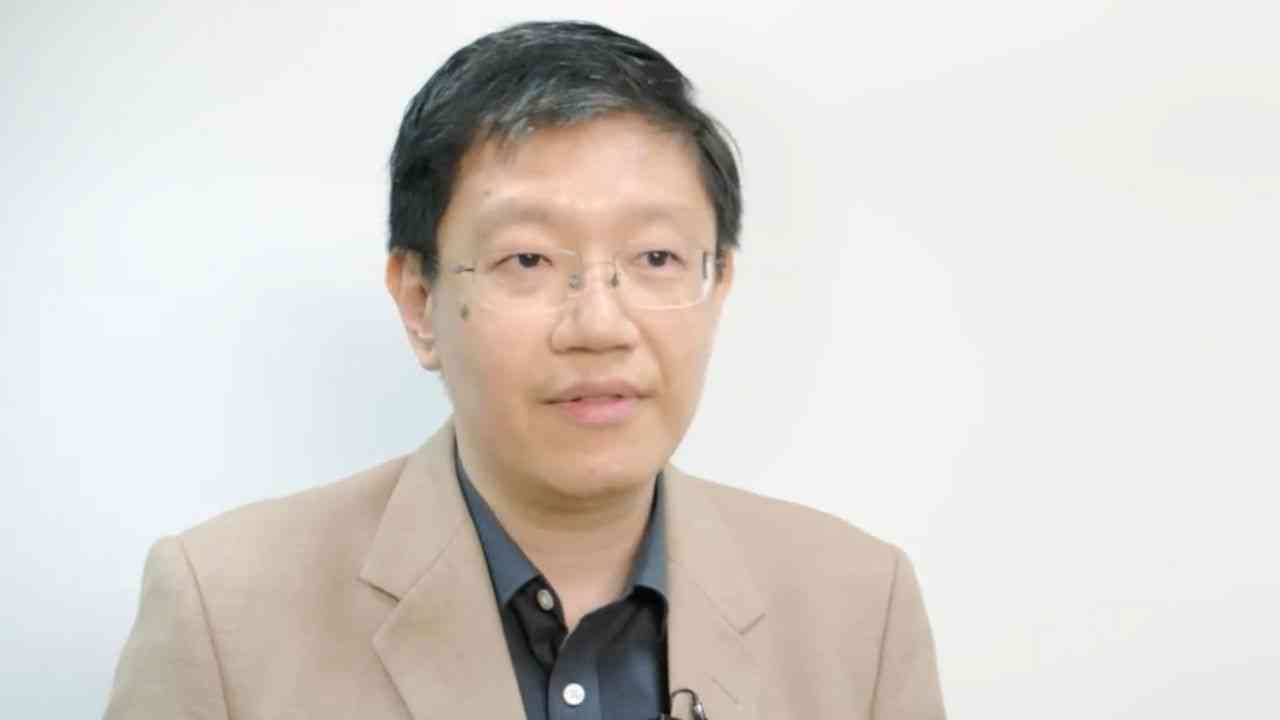
The Singapore education system asks children to work hard. But can rigorous lessons also nurture a love of learning? Prof. Ng Pak Tee reflects on teachers, assessment, and the slow work of change.
Patrycaj Krzeszowska: Singapore is widely regarded as having one of the best education systems in the world, yet it is also sometimes described as highly competitive, exam-oriented, and placing considerable pressure on children to achieve. Is it possible to create a system that remains academically demanding while also allowing children to genuinely enjoy learning? Can these two goals truly be reconciled?
Prof. Ng Pak Tee*: Yes, it is possible for a system to be academically rigorous and allows children to enjoy learning. The two goals can be reconciled, and it is indeed what Singapore is trying to do. If you search online, you can find some of my responses to the ideas of teach less learn more and the joy of learning.
Track and field can be demanding when it comes to training. But in order to do well in it, you actually have to enjoy it. I don’t think that you can do very well when you don’t enjoy it. But training is tough! So in the same way, children can enjoy learning and the learning can be rigorous. The main thing is that the lessons are interesting and meaningful, and that we have good teachers that make the subject come alive.
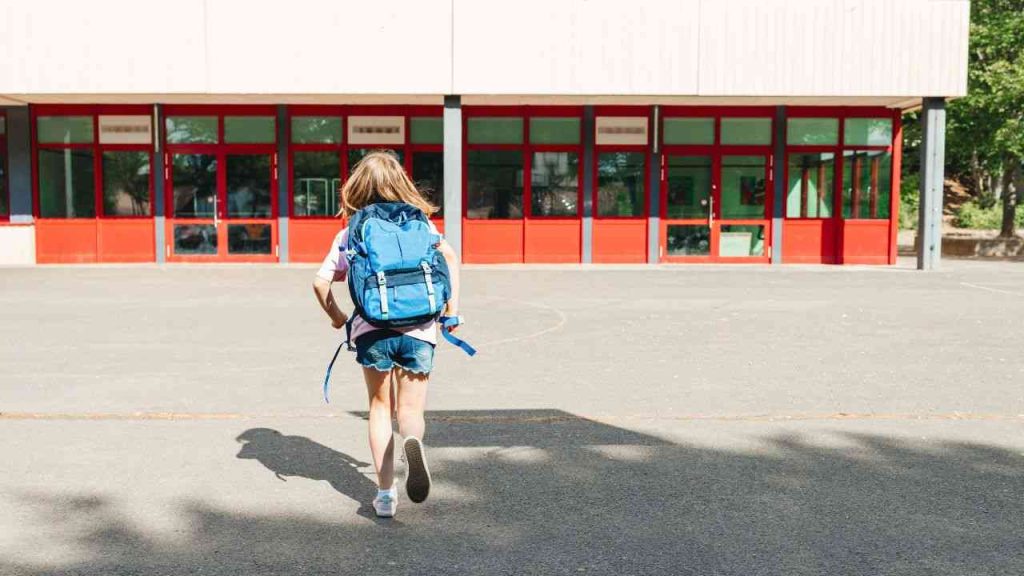
Should schools primarily prepare children for the labour market, or rather for life in a world whose labour market we do not yet know? If, in 15 years’ time, some of today’s professions disappear and entirely new ones emerge that we cannot even name today, what fundamental principles of education will remain unchanged?
Schools should do both, to prepare children so that they can be employed and for life in a world where changes in industry can happen very quickly. Among the many other keywords such as adaptability, innovation and creativity, I think one of the fundamental principles of education is to cultivate a love for learning, so that the person will continue to learn throughout life to stay relevant to the world.
The other thing that is fundamental for us in Singapore is character and citizenship education, so that the next generation will be good people and good citizens of the country.
In education, it is very easy to become captivated by the latest buzzwords: “future skills,” “personalisation,” “AI,” “creativity,” or “wellbeing.” You, on the other hand, emphasise the importance of thoughtful change, but also of continuity and avoiding educational fads. How can we distinguish genuine reform from yet another fashionable idea? How can we tell whether a change in education is actually improving children’s lives and their future prospects?
In an educational change, every intervention has its benefits and consequences. No educational reform is going to satisfy everyone. Therefore, any educational reform is a contested process. It tests the will of a people. There will be paradoxes, embedded with tensions. The results will show whether the reform is merely about shouting a slogan or seriously about fighting a mission. If it is the former, it will soon die a natural death. If it is the latter, people will rally together and bite the bullet for the next generation.

You speak of education as an investment rather than an expense, and you emphasise the importance of attracting the best people to the teaching profession. Do you believe that the quality of teachers – and their ability to communicate and connect with children – is today the single most important factor determining the quality of an education system, more so than curricula, technology, or even the level of funding?
Yes, teachers are very important, and the quality of teachers is a critical factor in the quality of education. However, I would hesitate to use the term “single most important factor”. Like baking a cake, you need high-quality cake flour to bake a cake. If the flour is not good, you will not get a good cake.
However, that is not the only factor. You need eggs, water, sugar, and you need the right temperature and baking time to bake a good cake. Therefore, the quality of education is dependent on an entire system to make it work. But, yes, the quality of teachers is a critical factor in the quality of education. Investing in the teaching profession is an investment for the future of the country.
The Polish education system now places considerable emphasis on developing students’ agency, critical thinking, and creativity, yet a student’s future still depends to a large extent on standardised examinations. What happens to these admirable educational and developmental goals in such a system? Is it possible to transform an education system without changing the way we assess students, teachers, and schools themselves?
In general terms, to transform an education system, we have to do it holistically. We have to use an approach that considers the various factors in education. Otherwise, one factor may hinder other factors. Therefore, among many other factors, the curriculum, pedagogy, and in particular, assessment have to change accordingly so that they work together as a coherent system.
In Polish schools, ambitious projects and independent tasks are often given to students who are considered talented, while students who are perceived as weaker are given more instructions and subjected to closer teacher supervision. Does this risk teaching some children to become independent while teaching others to become dependent? How can we develop a sense of agency and independence in children who have learning gaps, face difficulties, or lack confidence in themselves?
“Closer teacher supervision” does not necessarily imply a loss of independence. The idea is this. One can teach a person how to fish. But if a person is very hungry now, give the person a fish first. Then, build this relationship and teach the person how to fish for future meals. So, for children who have learning gaps, face difficulties, or lack confidence in themselves, start small. Help them achieve something simple first. Then build up from there and slowly help them to become more and more confident and independent.
*Prof. Ng Pak Tee is one of the world’s best-known education experts. He is from Singapore and advocates the “Teach Less, Learn More” approach. He is the author of Learning from Singapore: The Power of Paradoxes and has spoken at major education events around the world. His areas of expertise include education policy, educational change, leadership development, and the quality of education.
Read this article in Polish: Dobry nauczyciel to za mało. Ekspert z Singapuru o tym, czego potrzebuje szkoła

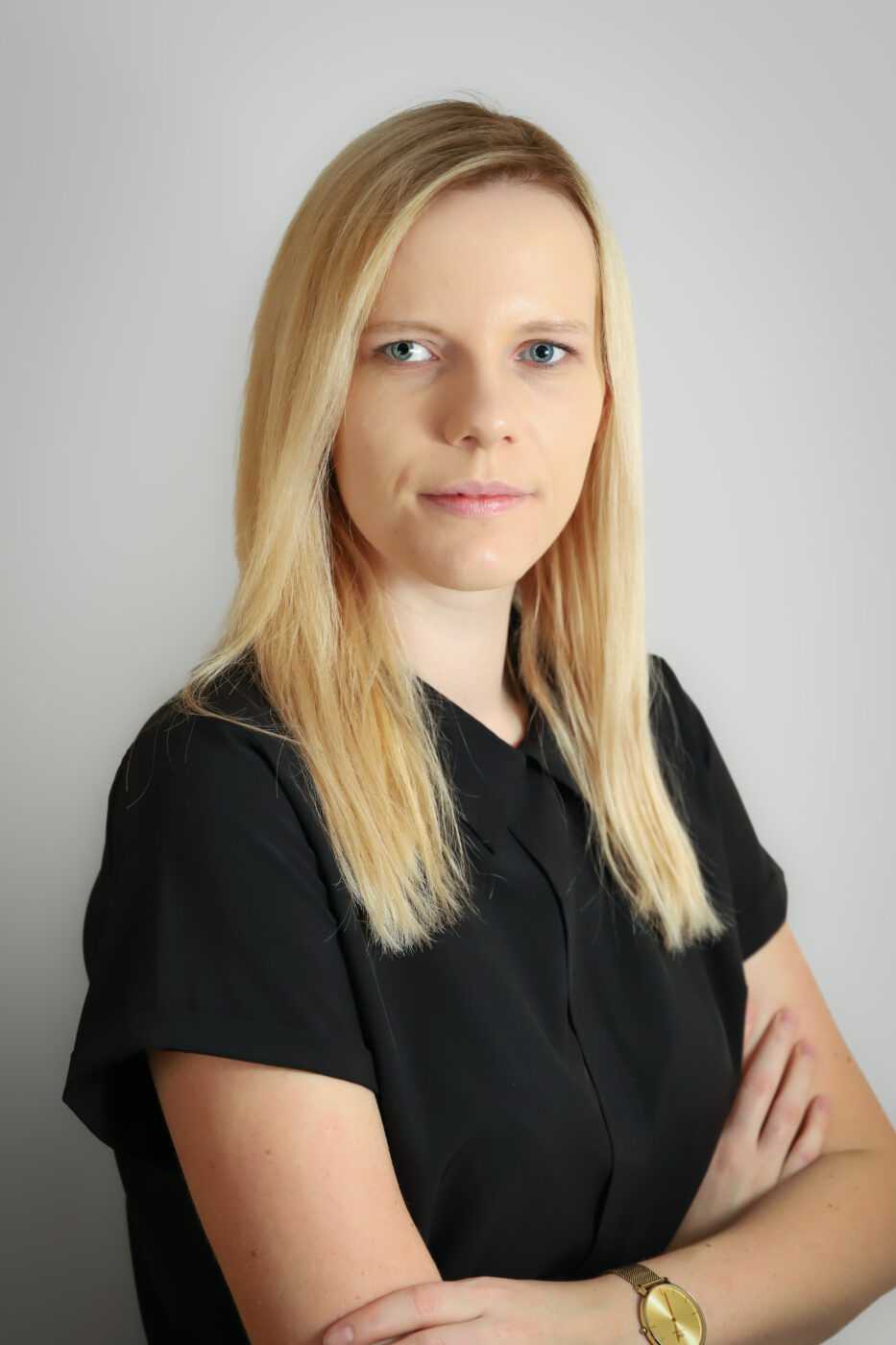
A graduate of journalism and social communication at the University of Rzeszów. She has been working in the media since 2019. She has collaborated with newsrooms and copywriting agencies. She has a strong background in psychology, especially cognitive psychology. She is also interested in social issues. She specializes in scientific discoveries and research that have a direct impact on human life.



Zmień tryb na ciemny