Culture
A Life Spent Becoming Someone Else’s Ideal
12 October 2026





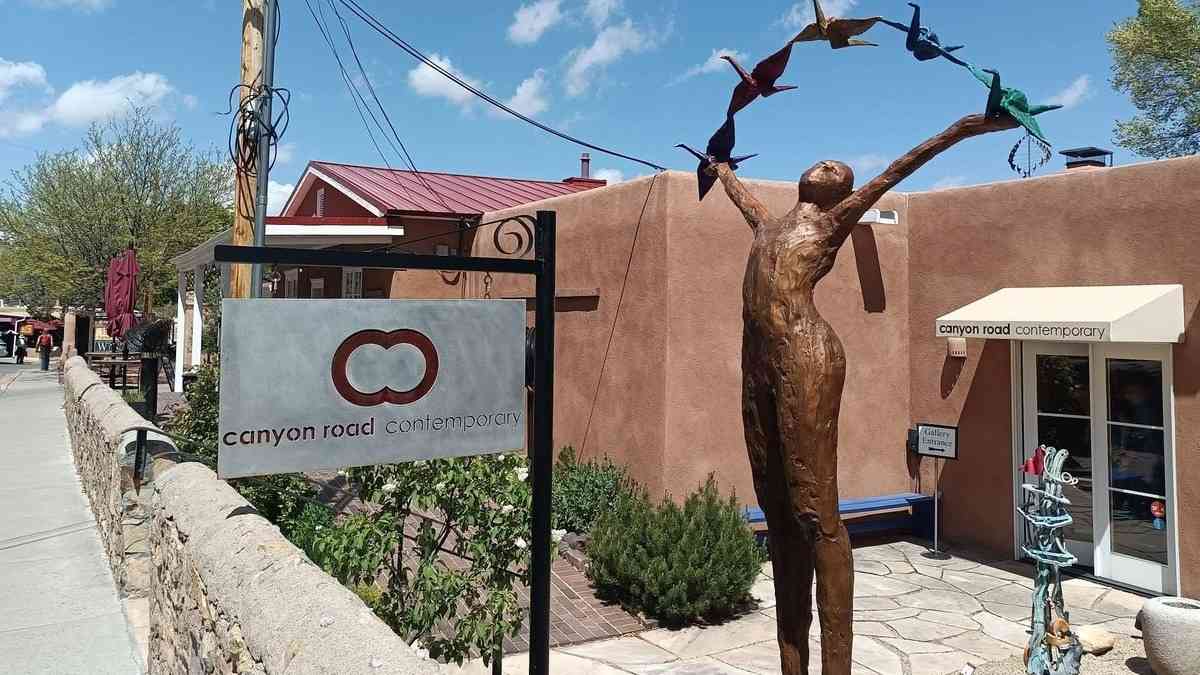
I drove across the desert from California through Nevada, Utah, Arizona, and New Mexico. It was a journey through the extremes of wealth and poverty in the USA. On one hand, there was the beauty of monumental nature and works of art. On the other, there was poverty, where faith in miracles or a strong leader helped people survive.
It was April. In California, the heat was starting to build, and without air conditioning in the car, it felt like hell. Add the strong winds and cold nights, and the desert revealed its harshness.
I was accompanied by my friend Adam Shaw, an American painter of Jewish heritage. Born in New York, his grandparents had emigrated from a small village near Łomża, Poland, before World War II. Had they not left, Adam would not exist — the Nazis exterminated all Jewish inhabitants of his grandparents’ hometown. At home, Adam never heard Polish and never learned the language.
Adam dedicated his life to structural painting, specializing to the point of being considered one of the finest artists in creating large-scale, layered oil paintings. Completing a single painting can take over a decade — a fascinating, almost alchemical process.
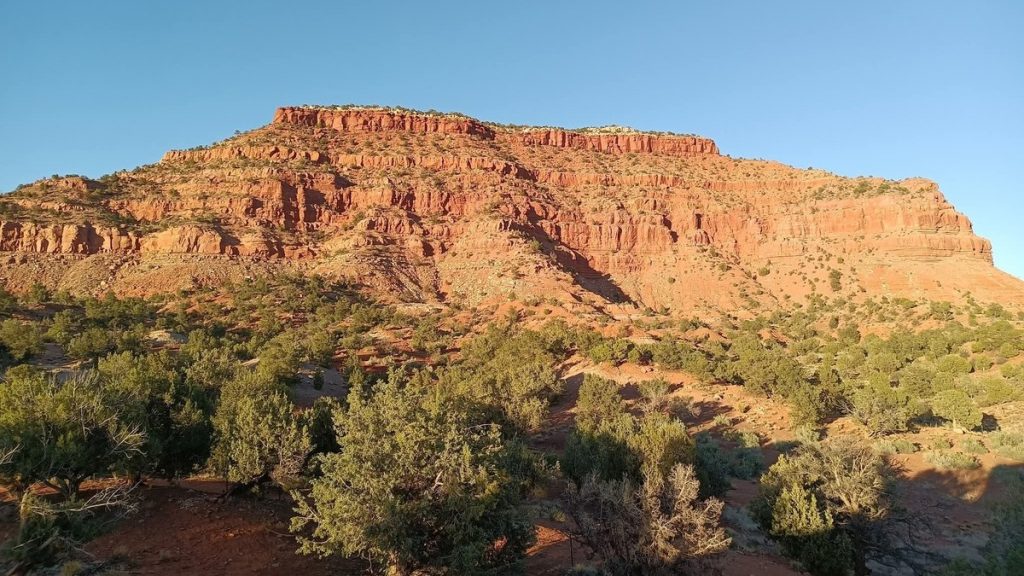
We set out into the American desert to explore and better understand the rich colors and textures of the landscape. Nothing is better for structural painters. The lush desert flora, canyons, unique rock formations, skies, succulents, and trees — the pulse of the earth, the freshness of perception — all became part of our journey from the Sierra Mountains, where Adam lives.
Along the way, we visited national parks: Zion Canyon, Bryce Canyon, and Glen Canyon, with rocks rising like cathedrals carved by nature — sandstone in reds, crimsons, burgundy, and dozens of shades of yellow and ochre. Lakes once abundant with fish supported the Native Americans, who now, confined to reservations, often merely survive rather than live.
The poverty of Native Americans is one face of wealth and poverty in the USA — monumental landscapes on one side, subsistence on the other. Poverty allows only for the purchase of cheap, highly processed food. Lack of employment fosters moral and social degradation. Obesity is widespread, alcoholism passes from generation to generation, and efforts to improve welfare have limited success.
America — not a myth — operates on what Donald Trump calls “having good cards in hand.” What cards do Native Americans have, stripped of their natural resources and confined to reservations? They sell trinkets, some jewelry, and a few young people try to make it in cities, but few achieve lasting success.
We drove for several days, passing vast green spaces where cattle grazed — purebred, shiny, majestic. No European meadows or highlands compare. The road looked brand new, as if built yesterday.
Sometimes mountains capped with snow surrounded us; other times, vast rock formations or endless sands stretched to the horizon. Roadside diners appeared, staffed by toothless yet cheerful waitresses, never complaining.
Wherever we stopped — lodging, shops, cafés, pubs, restaurants, gas stations — people showed kindness, even the poorest.
I felt that Americans behave as if Ralph Waldo Emerson’s words were embedded in their DNA:
Courtesy is like an air cushion. It seems like nothing, yet it keeps you safe.
In a country still threatened by terrorism — external and internal, as social inequalities produce derelicts — a sense of security is vital.
Stories reminiscent of Truman Capote’s In Cold Blood are not rare. Many people are allowed to carry firearms, especially in remote areas.
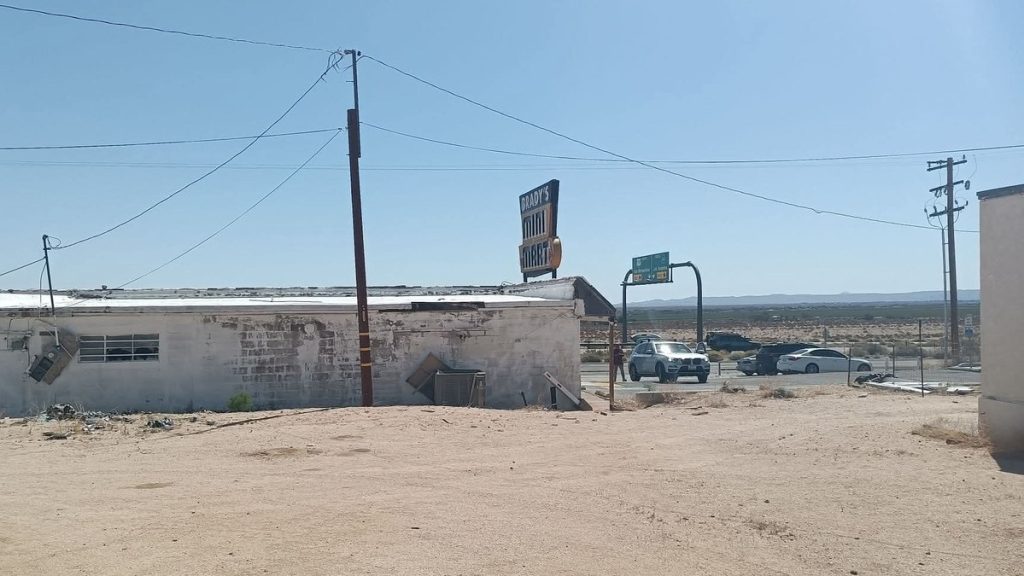
In villages visible from highways, the scene is different — seemingly abandoned by God and man, in Arizona and New Mexico. Small clusters of trailers sit in the middle of the desert, often attached to rickety cars to move when necessary in search of work. Moving appears almost a cultural code for the poorest: they take what they need and go wherever opportunity leads.
In these poorest places, large banners glorify Donald Trump. To the locals, he is a savior who can turn desert sand into gold. The impoverished, as well as business owners focused solely on wealth accumulation, place their hopes in him, all saying the same: “We want a better future for our children. Previous leaders failed.”
We arrived in the aspen forests of Utah, a painterly paradise. Touching, smelling, imagining shades of white and gray in our minds, nearly three-dimensional. Trees bore marks of cuts, as if marking paths or performing subtle rituals. The air was lighter, invigorating, and the earth smelled of resin, fragile and alive.
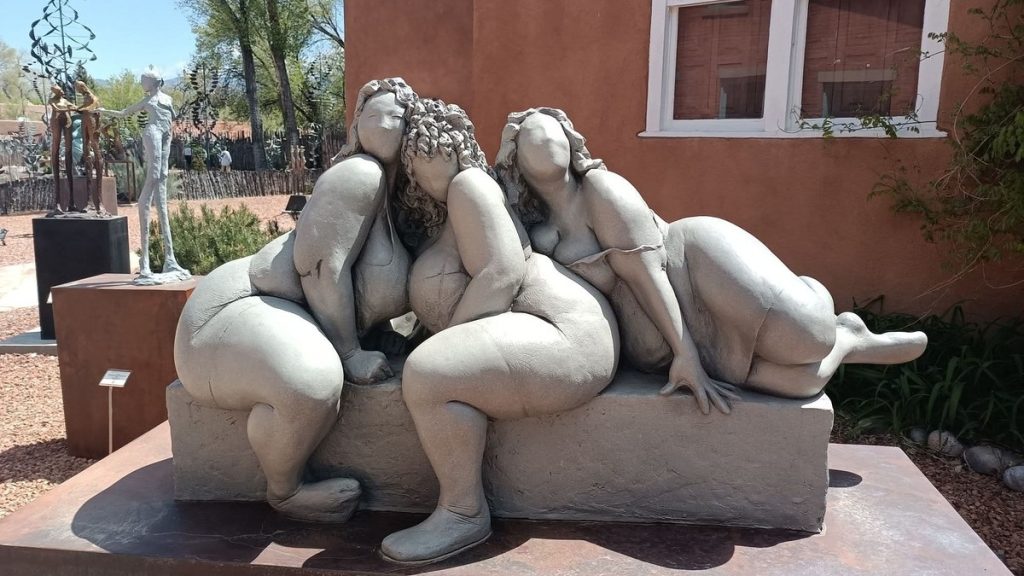
Finally, we reached Santa Fe, New Mexico — the culmination of a journey through wealth and poverty in the USA. A city where top-tier art galleries exist alongside musicians missing front teeth. How can a city of 70,000 sustain over 350 galleries? Perhaps tradition. Want to buy a painting? Go to Santa Fe.
Here, you find everything — figurative, abstract, and eclectic collages. Cuisine reflects Pueblo Indian influences, drawing tourists. Even the food is considered art: all dishes made from natural ingredients, with every small eatery protecting the city’s culinary reputation. In Santa Fe, you cannot eat badly or hear bad music.
We attended a concert. The singer, thin, dark-skinned, with a powerful voice and missing front teeth, performed jazz at a New Orleans level. Musicians collected tips in a hat. “The club never pays,” said Jim, smiling and revealing his missing teeth. They paused every few songs to interact with the audience outside. The singer smoked sparingly — a cigarette lasting three breaks. “I save,” he winked. “Cigarettes are expensive.”
Guitarist David showed me his new cowboy boots: “I paid $200 for these,” he said proudly. Such shoes symbolize prestige. “Life is tough here,” he added, asked if he hoped the new president would change his fate.
I didn’t vote at all. I trust no one anymore. Everyone failed. We must survive on our own. We have music; many have nothing. Only humiliation. Watching Trump, I’m glad I didn’t fall for it again. Shameful. Only the rich got richer.
Many musicians thrive here; painters fare better, especially if an art dealer supports them. Yet careers yielding financial security and a home are rare. Adam is lucky: he can rent a house, has a pension, and occasionally sells paintings to live decently.
On our way back to California, we paused at a dried-up river filled with stones, boulders, and plants glimmering in the afternoon light. We walked in undisturbed silence, far from the America seen in advertisements or movies.
These are contemplative States — recharging human batteries, calming frayed nerves. These wild, contemplative lands, full of wealth and poverty in the USA, are places you want to return to. Places of awe — a mixture of wonder, love, and fear before the beautiful but unpredictable nature that overwhelms with majesty no human can possess.
Read this article in Polish: Wewnętrzne stany Ameryki. Pustynia, sztuka i ludzka bieda

A journalist, writer, playwright, painter, and therapist working towards certification. The author of 9 books, including Jak odzyskać duszę, Gdy nadwrażliwość wystawia rachunki. Czterdzieści dwa listy o miłości, życiu i śmierci, co-written with philosopher Professor Lech Witkowski, and Miłość w Ejlacie, published by PIW. A graduate in Political Science from Nicolaus Copernicus University in Toruń, she also completed the European Journalism Programme at the Natolin European Centre and the Academy of Transpersonal Therapy in Warsaw. Her work has appeared in Twórczość, Odra, Czas Literatury, Helikopter, and Dialog.
Zmień tryb na ciemny