Truth & Goodness
Modern Warfare, Old Words: Why We Misread Today’s Conflicts
03 October 2026





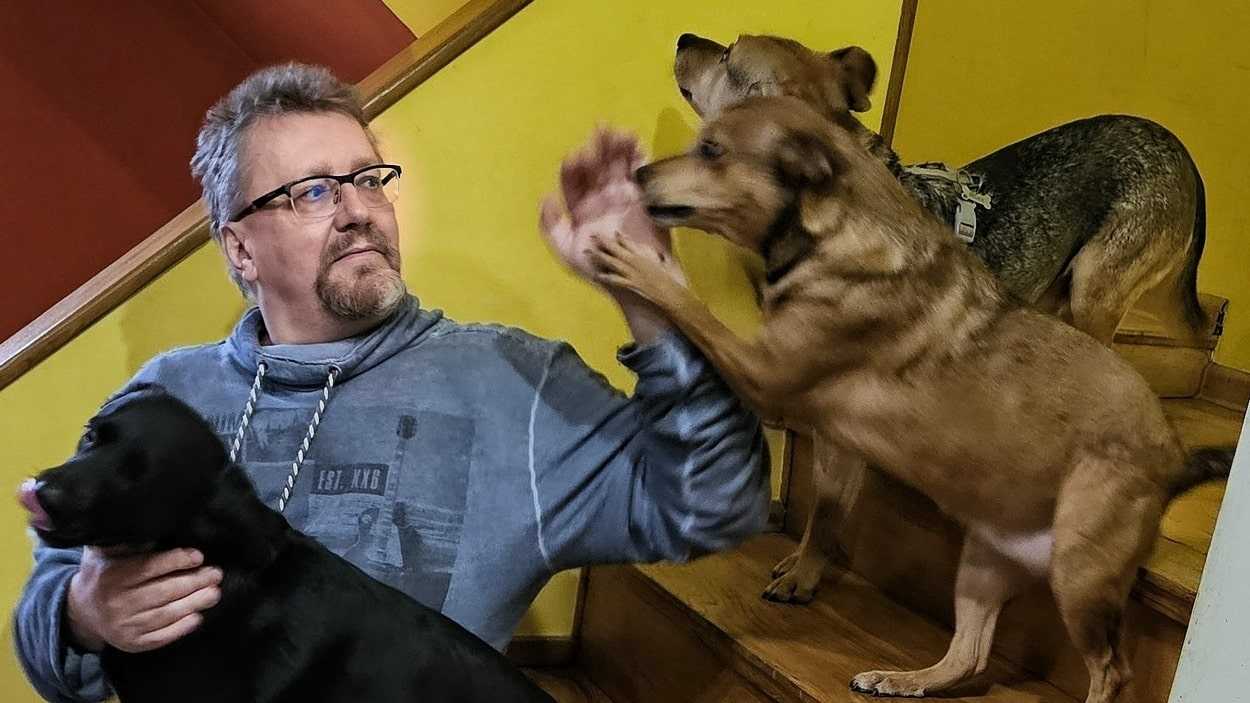
Motto: "Adopting a dog won't change the whole world. But you will change the whole world for that one dog."
Who tamed whom? Did the dog tame man, or did man tame the dog? We may never know for sure, but we do know that 40,000 years ago (some researchers even claim 100,000 years ago!) a wolf’s paw reached out to a human hand, and the human hand clasped it. Thus began a remarkable interspecies pact, through which we learned to work, hunt, guard, and support one another—or simply spend time together playing, walking, and resting.
Nobody knows exactly where this friendship and cooperation began. Researchers now believe the domestication process happened in multiple places over many centuries.
Today there are more than 400 dog breeds. Anyone who has seen them knows how much they differ—not only in size and coat, but also in intelligence, behavior, and temperament. Some breeds are considered gentle and friendly, made for human contact. Others require careful handling and experienced owners.
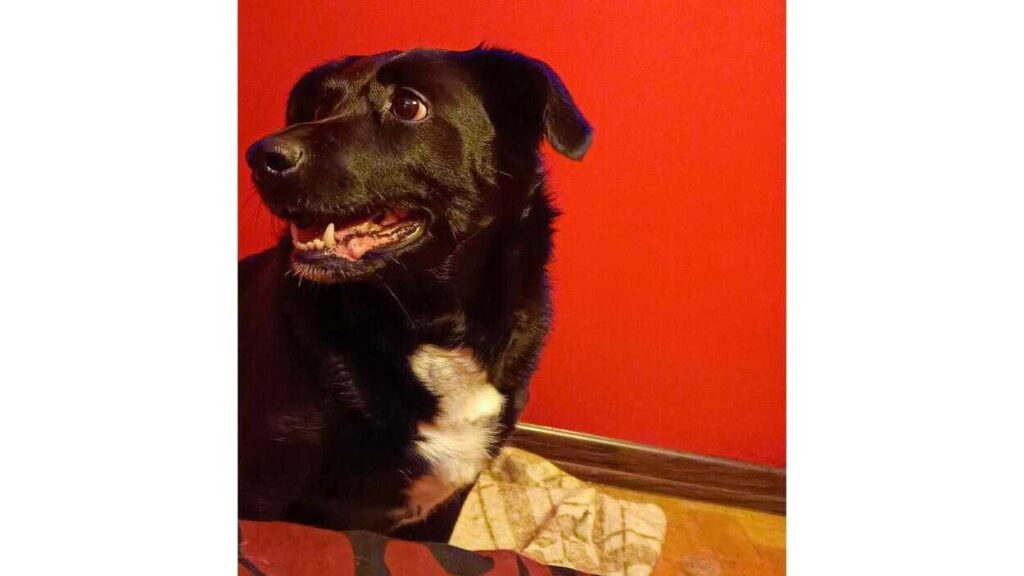
Dogs have never had an easy life with us. Not long ago, they were commonly kept as guard animals, spending their whole lives on short chains. In Polish villages, there was even a custom of drowning unwanted puppies—a fact that may sound unbelievable to younger generations. Since dogs were rarely spayed or neutered, puppies were born constantly.
Cruelty, however, was not confined to primitive individuals. Dogs were subjected to inhumane experiments—medical, pharmaceutical, even cosmetic—tortured in the name of science and progress.
If dogs ever gained civilizational awareness, it would be hard to convince them to remain our friends, given the suffering we’ve caused their kind. Today, thankfully, people are more empathetic. Thanks to animal lovers, ecologists, and even some legal and political initiatives, much of this suffering has been reduced.
Recommended: First Intuition, Then Culture
Still, the problem hasn’t disappeared. Tens of thousands of dogs live in shelters, abandoned by owners, lost, rescued from illegal breeding, or taken in after interventions. Many shelters are not warm foster homes but cold, barred concrete kennels, without companionship or toys, where dogs suffer from boredom—and in winter, from cold.
I only recently realized how vast the problem is. In Poland, about 100,000 dogs live in shelters, often in conditions unworthy of a civilized society. Even with the best efforts of staff and volunteers, many suffer. Some enter as puppies and never leave until they die.
Don’t be afraid to adopt a dog from a shelter. Staff will help you make the right choice. They usually give an honest assessment of the animal’s character, strengths, and weaknesses, because they too don’t want the dog returned after a few days.
In shelters, you’ll find dogs of every age and type. I wanted to give a home to an older dog, so six months ago I adopted a ten-year-old mongrel (the third dog in our family!) rescued from a chain.
If you’re worried about an adult “dog with a past,” there are plenty of young, healthy dogs—and even puppies—waiting. They are spayed or neutered, dewormed, treated for fleas, often microchipped. It’s easy to find a dog with a warm, loving temperament.
Some potential adopters (I’m not fond of the word, but shelters use it) are discouraged by strict requirements. Shelters often conduct detailed interviews, sometimes with the whole family, require questionnaires, and reserve the right to inspect the home. Some people give up and go to breeders instead, who ask no questions—only money.
But in the face of so much canine suffering and loneliness, I believe buying from breeders is unethical. First, let’s ensure no dog remains homeless. Let’s give homes to those who sit sad and forgotten in shelters.
Worth reading: Humans and animals divide. What truly sets us apart?
Having dogs at home means remembering one thing: a dog is not a furry little human. It is a separate species with its own language, emotions, and needs. Of course, sometimes our worlds overlap. But true respect for dogs means honoring their dogness.
I have three dogs, and I treat them as family. I care for their mental and physical health, but I also give them freedom. They are not toys we can put aside when bored. They have their own needs and personalities. Because I don’t force them, I’m grateful they freely choose to spend time with me, seek contact, and communicate in their own canine way—through voice and body language.
But a dog is not a fur baby. It should not be a child substitute for couples avoiding responsibility. Nor should it be tormented by owners trying to turn it vegan.

Even today, in the 21st century, people need reminding: a dog is a thinking, feeling being. It knows joy and sadness. It remembers good and bad experiences. It can return friendship freely. But love and friendship cannot mean chaos. Every member of the pack—human or dog—must know their place, rights, duties, and the rules.
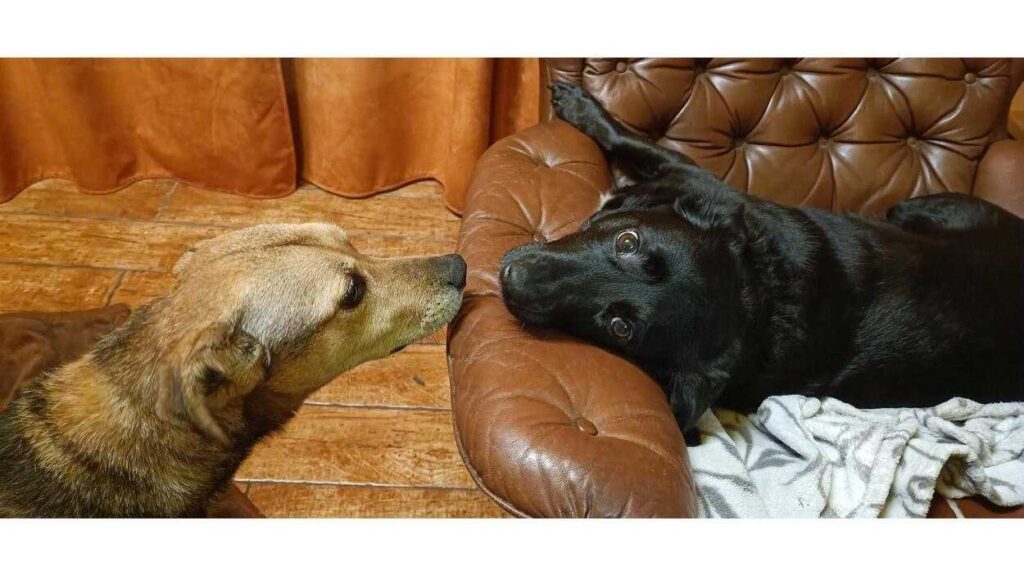
And most dogs love company—not only human, but canine. If you can, adopt two or more. You’ll see how much joy a pack brings, how entertaining their interactions are, and how much less lonely they are when you leave for work.
Our bond with dogs isn’t just emotional or physical. Scientists found that contact with dogs releases oxytocin—the love hormone—in both humans and dogs. It also boosts endorphins, the happiness hormones.
Playing, hugging, and stroking relaxes both human and dog, easing stress. (Of course, this refers to familiar, friendly dogs; unfamiliar ones may react with fear, aggression, or displeasure.)
Love dogs and respect them. Then you’ll see how true the Bible quote is: “Give, and it will be given to you.” But love also means allowing them to simply be dogs—with their habits, emotions, and canine language.
And one final thought experiment: imagine God at the Last Judgment telling you, “For eternity, you will be treated as you treated your ‘little brothers.’”
What then? Would eternity be kind to you?
Read the original article: Jacek Piekara: Psijaciele są na zawsze


Jacek Piekara: One of Poland's most popular fantasy writers, a journalist, and a columnist. He is the author of the widely acclaimed "Inquisitor Series" (Cykl Inkwizytorski), dozens of books, and numerous short stories. Piekara has also contributed to specialized and popular press, including the magazines Click! and Gambler. In addition to literature, he writes scenarios for computer games and works as a publicist.


Zmień tryb na ciemny