Truth & Goodness
Circadian Rhythm and the Quiet Order of the Day
04 September 2026





Antibiotics are increasingly failing us as bacteria build formidable resistance to modern treatments. However, researchers have discovered that viruses sent into orbit can evolve differently than their terrestrial counterparts. These changes occur in ways that could reshape how we fight deadly infections. As we study viruses in space, we may be opening new paths for phage-based therapies against superbugs.
Almost no one predicted this scenario. A team of researchers from the University of Wisconsin sent viruses into orbit to observe their behavior under microgravity. The microbes began to evolve in ways never seen on Earth. The scale of these transformations could have profound implications for medicine, providing the spark needed to develop new viral therapies effective where antibiotics fail.
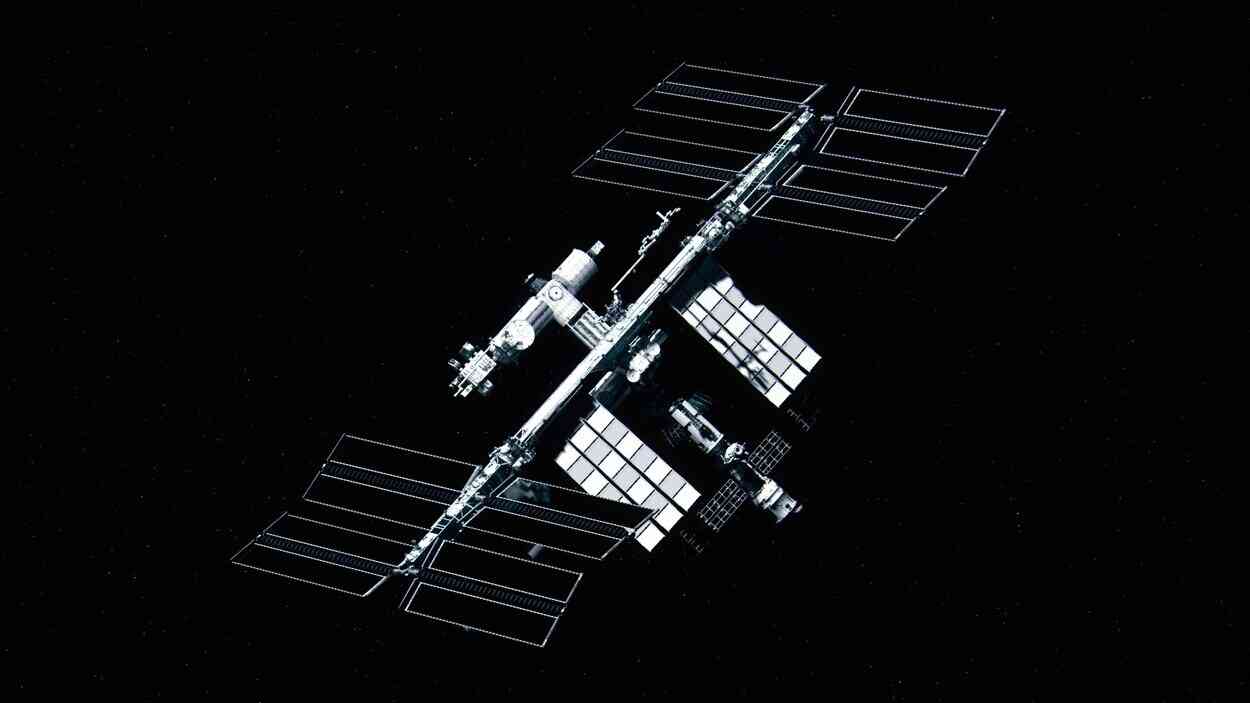
The team detailed their findings in the scientific journal PLOS Biology. Before publication, researchers dispatched specially selected viruses—bacteriophages that hunt bacteria—to the International Space Station (ISS). They aimed to observe how these microbes behaved in microgravity, far from their natural survival environments. Simultaneously, they conducted an identical control experiment on Earth using E. coli bacteria and the T7 virus.
In terrestrial conditions, bacteriophages and bacteria are locked in a perpetual struggle. Viruses constantly seek new ways to attack, while bacteria build fresh lines of defense—a well-documented evolutionary “arms race.” However, in microgravity, the rules of engagement shifted.
The American researchers demonstrated that while viruses in space and bacteria continue to drive each other’s evolution, the process differs significantly from ground-based trials. Initially, the orbital viruses acted more slowly than those in the Earth experiment. Yet, over time, they successfully infected the E. coli. The most critical discovery came through genetic testing: both the viruses and bacteria from the ISS samples developed unique mutations entirely different from those observed under Earth’s gravity.
The viruses began accumulating mutations—small changes in their DNA—that enhanced their ability to latch onto bacteria and improved their infection efficiency. These changes were not one-sided. The bacteria also mutated, spawning new variants that were not only more resistant to viral attack but also better adapted to surviving the harsh conditions of microgravity.
Seeking deeper answers, scientists took a closer look at the T7 virus, specifically analyzing changes in the proteins that play a key role in the infection process. The results showed stark differences between the virus developing on Earth and the one evolving in orbit.
The experiment showed that microgravity can alter viral traits, boosting infectious capacity in measurable ways. As a result, the variant forged in orbit more effectively combated certain bacterial strains—including ones linked to urinary tract infections—that had previously remained resistant to it.
On Earth, bacteria possess effective defenses against the T7 virus. However, microgravity changed how the virus bound to bacterial cells, enabling it to attack strains that were once “untouchable.” This discovery could become a cornerstone for future medical research.
If these “enhanced” viruses can defeat bacteria responsible for antibiotic-resistant infections, it raises a vital question: have scientists found a new lever they can use to improve antimicrobial strategies? The results point toward promising directions for therapies against multidrug-resistant pathogens.
The discoveries made by American researchers could lead to:
This is not the only study to examine how viruses behave beyond Earth. Tests published in Frontiers in Microbiology suggested that while microgravity can slow initial infections, it may also lead to distinctive protein-level changes that shape viral adaptation. The latest study echoes that pattern, reinforcing the potential value of orbital research.
Microbes sent beyond Earth may do more than provide new medical approaches; they might even help us build a home on Mars. Research has suggested that 3D printing combined with bacteria could eventually allow humans to construct Martian habitats.
The findings from the Wisconsin team show that viruses in space can change genetically in ways that may help researchers design stronger phage therapies on Earth. If that promise holds up in follow-up work, orbital biology could become an unexpected ally in the fight against antibiotic resistance.
Read this article in Polish: Superwirusy z kosmosu? Zaskakujący eksperyment na orbicie


A graduate of journalism and social communication at the University of Rzeszów. She has been working in the media since 2019. She has collaborated with newsrooms and copywriting agencies. She has a strong background in psychology, especially cognitive psychology. She is also interested in social issues. She specializes in scientific discoveries and research that have a direct impact on human life.



Zmień tryb na ciemny