Culture
A Life Spent Becoming Someone Else’s Ideal
12 October 2026





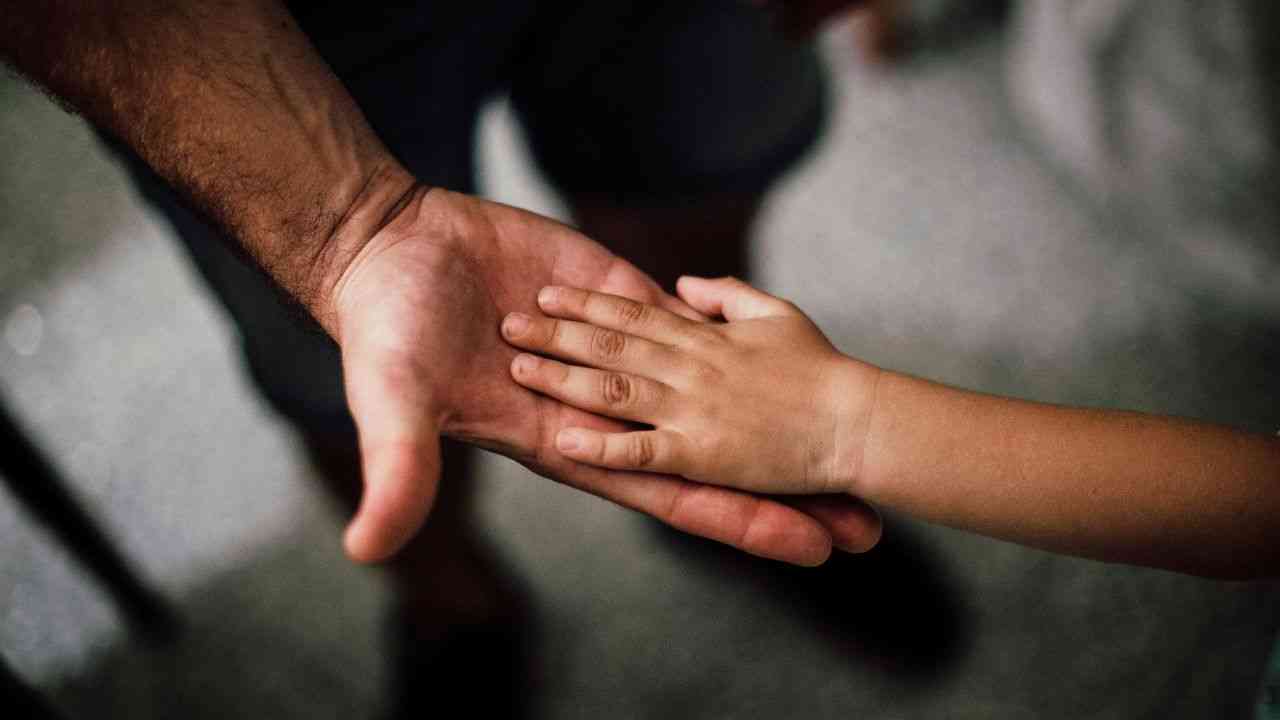
We usually associate parental divorce or death with experiences that scar children for life. Yet research suggests a more complex picture. For some, such painful events can become the beginning of empathy, moral sensitivity, and a stronger sense of justice.
Parental divorce or the death of a parent is an experience that enters a child’s life and permanently alters their inner world. For years, these events were viewed almost exclusively through the lens of loss, with children seen as helpless victims of family breakdown or grief. Yet not every child is crushed by divorce. Some develop qualities their peers do not. A 2025 study by psychologist Fahri Sezer invites us to look at this subject in a broader and more careful way.
Dr Sezer’s study, published in Behavioral Sciences, sheds new light on how young people respond to experiences we usually regard as deeply damaging. The findings suggest that adolescents who lose a parent or go through parental divorce can reach high levels of moral maturity. This pattern appears most strongly among those who experienced the death of a caregiver.
At the same time, another side of the picture remains crucial. These same young people often also struggled with depression, anxiety, lack of support, and conflict. That part of the story cannot be ignored.
Developmental psychology suggests that painful experiences can sometimes become turning points. A 2024 literature review by Fahimeh Bahonar indicates that children may develop greater inner independence, a deeper understanding of themselves and the world, and increased sensitivity to ethical questions. Not only can their way of thinking change, but also their attitude towards others. They are more likely to want to help and to search for meaning in what has happened to them.
Research on adults confirms a similar pattern. People who experienced the loss of a caregiver in childhood more often show stronger empathy, a greater tendency to help, stronger social engagement, and a deeper sense of responsibility. Many participants were able to assign meaning to their experiences and turn them into actions that brought something good into the lives of others. This was not an easy process. It was painful, demanding, and different for every person.
Losing a parent in childhood deeply affects the way a person experiences the world. On one side, there is pain. On the other, for some, there is the beginning of greater attentiveness to others and a stronger urge to act.
The key issue is not only the event itself, but the way a person finds their place in relation to it. Aristotle argued that moral attitudes are formed through action and practice, especially in moments that demand effort and prudence. Other philosophers also suggested that adversity can shape a person, provided it is worked through with care and understanding.
Research also suggests that the effects of family breakdown can vary by gender. Girls often seem to cope with the situation worse than boys.
This may be linked to the way young people are taught to handle emotions. Girls are often expected to stay strong and hide weakness, which can lead them to suppress what they feel. Boys, by contrast, may more often be given room to build independence and speak openly about their emotions.
This is where the foundations of humanism come into view. The statistics are clear: children who experience divorce or the death of a parent are more likely to face depression, anxiety, problems at school, and even poverty. But that is still not the whole picture.
Suffering is not a value in itself, and it should never be presented as something necessary. Rather than telling children that painful experiences will make them stronger, we should say something truer and more supportive. We should let them know that they can go through such experiences in a way that does not destroy them.
Divorce has become a common reality today, including in Poland. Children often become the silent victims of adult decisions. Their experience can influence who they become, but only if they are not left to face it alone. In the end, understanding the impact of divorce on children helps us offer the support they need, so that trauma can become a source of empathy rather than only a source of pain.
Read this article in Polish: Trauma nie musi niszczyć. Może też budzić wrażliwość na innych


A graduate of journalism and social communication at the University of Rzeszów. She has been working in the media since 2019. She has collaborated with newsrooms and copywriting agencies. She has a strong background in psychology, especially cognitive psychology. She is also interested in social issues. She specializes in scientific discoveries and research that have a direct impact on human life.



Zmień tryb na ciemny