Culture
A Life Spent Becoming Someone Else’s Ideal
12 October 2026






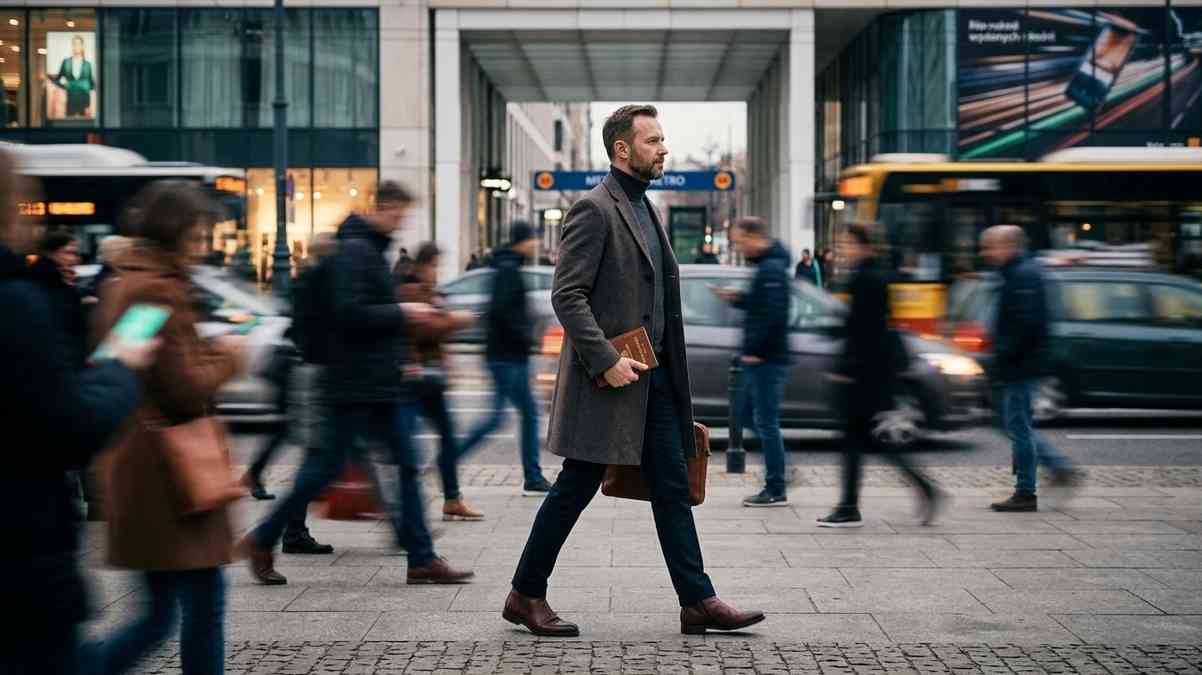
It takes less than the blink of an eye. You react, you share, and you move on. And that is exactly when the mechanism begins to work — the one that allows false information to spread at extraordinary speed online.
False and misleading information does not appear by magic. Its reach keeps growing, and artificial intelligence has made the production and circulation of deceptive content easier than ever. But AI does not carry the whole blame. In practice, the matter comes down to one thing: we decide what to click on and what to pass along.
Research published in the Journal of Experimental Psychology suggests that the mechanism is surprisingly simple. The problem lies not only in algorithms, but above all in our own decisions. We rarely stop for even a moment to ask 1 basic question: is this actually true, and does sharing it make any sense?
That was precisely the question researchers put to participants in an experiment. They were asked to identify reasons why sharing a given claim might be acceptable, and reasons why it might not be. Crucially, they knew what kind of content they were evaluating and understood exactly what they were considering passing on.
In studies conducted in the United Kingdom and elsewhere, participants who completed this simple exercise proved less willing to share false information. The effect grew even stronger when the content aligned with their political views — in other words, when it matched the kind of material people usually spread most readily. What mattered most was not simply judging whether something was true or false, but taking a moment to reflect and organise one’s thoughts. And the most striking conclusion appeared elsewhere.
When participants evaluated true and false headlines side by side, they chose the false ones less often. More often, they decided to share information that matched reality. The lesson is simple. False content does not spread because it is inherently better. It spreads because we act automatically. One brief mental exercise reduced the spread of falsehoods while increasing the willingness to share what was true. That could meaningfully limit the scale of misinformation on social media.
Most people already know that spreading false content is wrong. The problem is that knowledge alone is not the same as responsibility. That is why so much depends on a simple habit: pausing for a moment and thinking about what we are actually doing. It is a small act, but it can function as a powerful barrier against misinformation. Before you click “share,” it is worth asking 1 question: is this even true, and is there any good reason to pass it on?
Read this article in Polish: To dzieje się w sekundę. I napędza falę fake newsów w sieci
A graduate of journalism and social communication at the University of Rzeszów. She has been working in the media since 2019. She has collaborated with newsrooms and copywriting agencies. She has a strong background in psychology, especially cognitive psychology. She is also interested in social issues. She specializes in scientific discoveries and research that have a direct impact on human life.

Zmień tryb na ciemny