Education
What Children Learn When They Count on an Abacus
25 September 2026





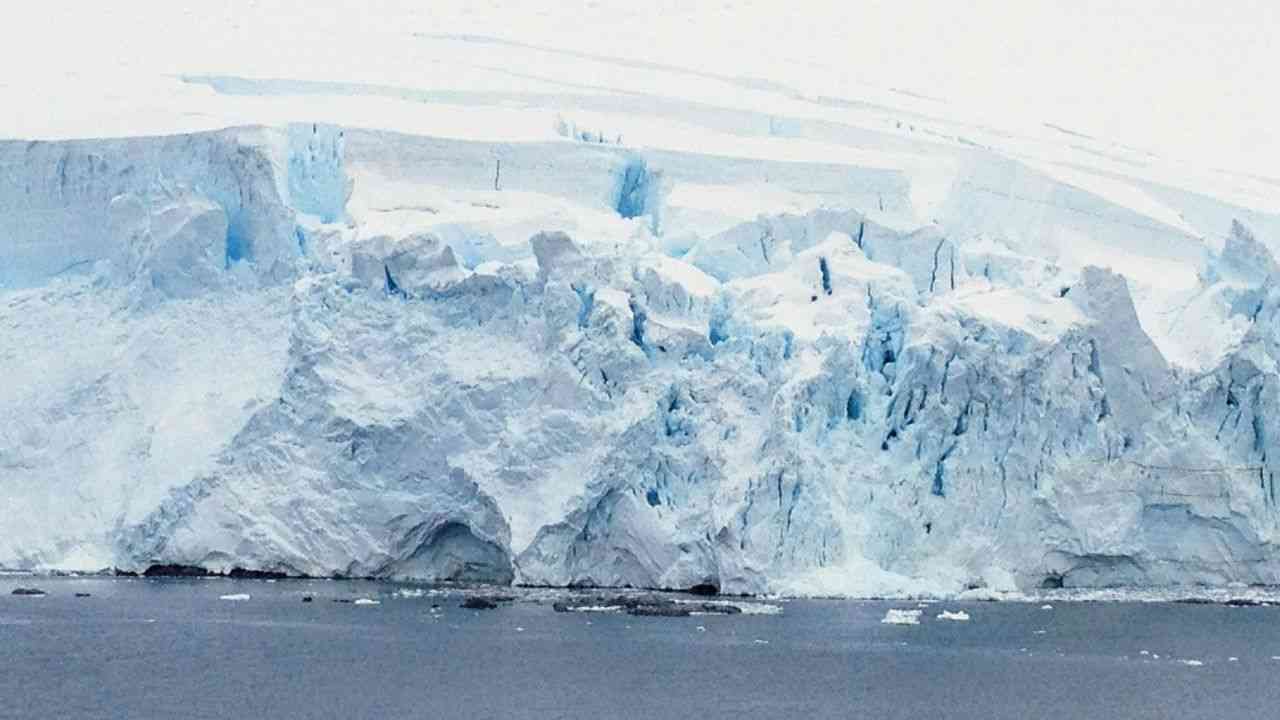
Antarctica is melting not only where the ice cracks. A new study suggests that channels beneath the Fimbulisen Ice Shelf may trap warmer water and accelerate ice loss from below.
Researchers from an international team, including scientists from the Norwegian Polar Institute and the University of Lapland, reached these conclusions after examining the Fimbulisen Ice Shelf in eastern Antarctica. This part of the continent is colder and has long been considered less directly exposed to the effects of climate change. An ice shelf of this kind is a vast, floating extension of glaciers. It acts like a brake, slowing the movement of enormous masses of ice into the ocean.
According to the scientists, this is precisely where a local circulation of warmer ocean water is forming, accelerating the melting of glaciers from below in Antarctica. As a result, ice shelves become thinner and weaker. Over time, they lose their ability to hold back the ice behind them. When larger masses of ice begin sliding into the ocean more quickly, sea-level rise may accelerate.
An article published in Nature Communications suggests that melting beneath Antarctic ice shelves can accelerate significantly at a local level. The structure of the underside of an ice shelf can therefore help identify places where heat accumulates and assess the scale of possible damage.
We found that the shape of the underside of the ice shelf is not merely a passive feature. It can actively trap ocean heat exactly in the places where additional melting matters most,
– explains the study’s lead author, Tore Hattermann of the iC3 Polar Research Hub in Tromsø, Norway, in comments published by Akvaplan-niva.
The researchers stress that serious damage does not require a large inflow of warmer water. Channels on the underside of ice shelves can be enough if they trap heat in especially vulnerable places. That is why even cold ice shelves, once considered more stable, may be more fragile than previously assumed.
For researchers, however, the phenomenon itself is not new. Glacier instability has already appeared in other parts of Antarctica. The weakening of Antarctic ice shelves has also long been recognized as one of the most important climate threats, as well as one of the major uncertainties in forecasts of sea-level rise.
The Earth’s average temperature has been rising since the industrial era, but in recent decades the pace of that process has clearly accelerated. We can see it not only in glaciers, seas, and oceans, but also in the disappearance of habitats and the extinction of plant and animal species. A changing climate also increases the risk of extreme weather events: droughts, heat waves, violent storms, and floods.
That is why scientists and climate institutions keep calling for action to counter climate change and limit its effects. Antarctica shows, however, how difficult that task is. Even where the landscape appears motionless and frozen forever, processes beneath the surface may be reshaping the future of entire coastlines. The latest research suggests that the mechanisms accelerating global warming and ice melt are more complex than previously assumed. Antarctica is melting in ways that are harder to see — and harder to predict.
Read this article in Polish: Antarktyda topnieje od spodu. Pod lodem dzieje się coś groźnego


A graduate of journalism and social communication at the University of Rzeszów. She has been working in the media since 2019. She has collaborated with newsrooms and copywriting agencies. She has a strong background in psychology, especially cognitive psychology. She is also interested in social issues. She specializes in scientific discoveries and research that have a direct impact on human life.


Zmień tryb na ciemny