Science
Before There Are Planets, There Is Dust
16 October 2026



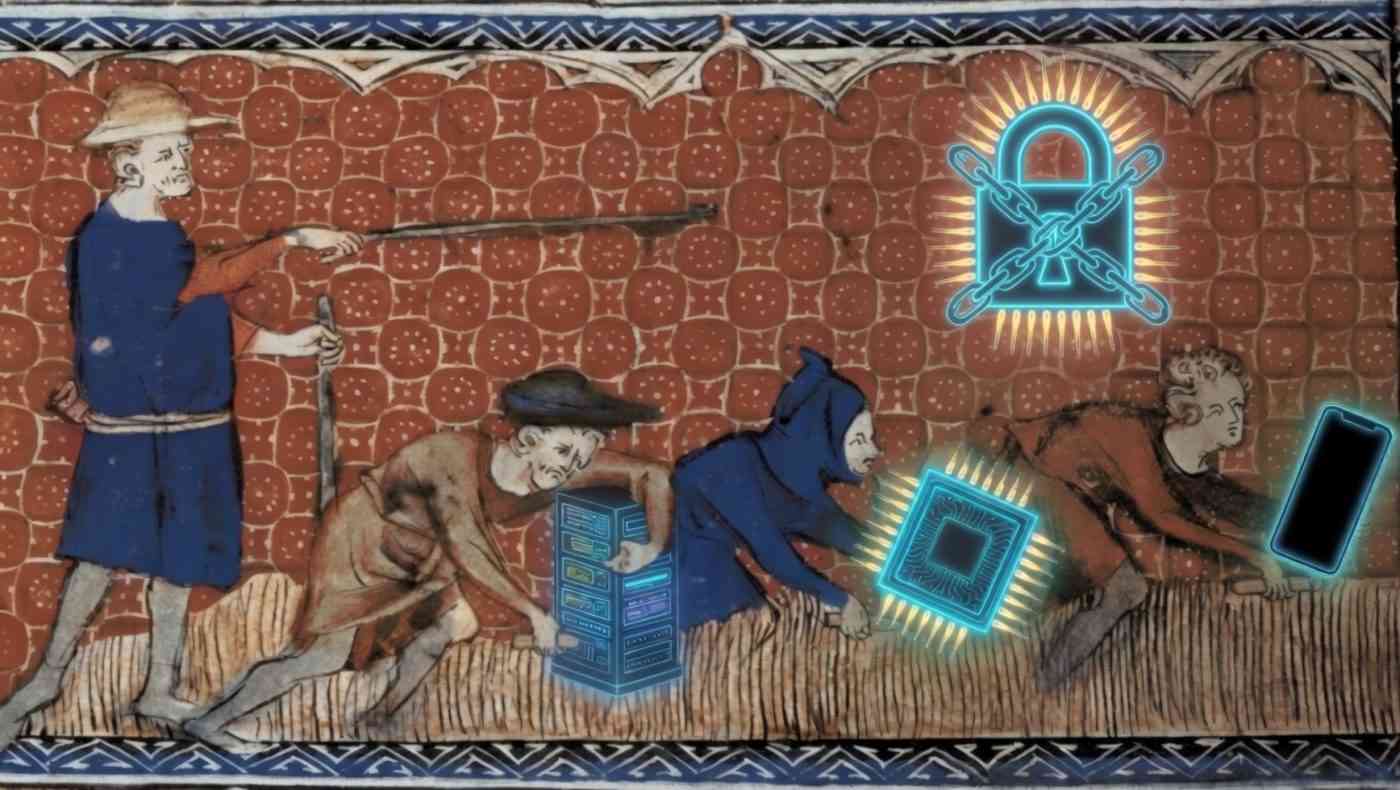
First, we paid for films and music. Then for software, cloud storage, apps and device features. Now more and more things are no longer truly ours, even though we pay for them every month. The end of ownership may arrive as a seemingly convenient subscription.
A world without private ownership increasingly ceases to look like a dystopia from science fiction. It is becoming a marketing promise of “convenient access to everything.” Supporters of subscriptions and sharing argue that the end of private ownership is a natural stage in the development of the economy: one in which what matters is not possession, but the experience of a car, an apartment, music or software.
The architects of the “subscription economy,” such as Tien Tzuo, founder of Zuora, argue that the world is moving away from products and toward services. “Why own anything?” Tzuo asks. He also warns that companies that fail to shift to a subscription-based relationship model may, in a few years, no longer have a business left to shift. Reed Hastings of Netflix, Daniel Ek of Spotify and Larry Ellison of Oracle act in a similar spirit. All of them consistently build models in which we pay for continuous access to content, infrastructure and services, rather than for a product we own.
Ownership is dead. Long live usership,
– Tzuo declared triumphantly several years ago.
From the consumer’s perspective, the arguments are tempting. There are no large one-off expenses, cancellation remains possible, updates come included, maintenance problems disappear, and waste may decrease. In this view, the end of private ownership appears as liberation from the burden of possession. Instead of worrying about repairing a car or updating software, we simply log into a service and use it.
Behind the façade of convenience, however, lurks the serious risk of a universal rental economy. A model in which almost everything is rented silently assumes that someone still remains the owner: a platform, a fund, a group of shareholders. These few owners will decide who gets access to their resources and on what terms — from films and cars to critical infrastructure.
They will also gain the most from such a model, driving ever greater accumulation of capital in the hands of an ever smaller group of people. Research into the subscription economy shows that, in the overall balance, users often pay more than they would if they bought outright. But when problems arise, they are left without assets. They build no wealth, have nothing to pass on to their children and cannot simply “own.”
The ability to change terms of service unilaterally, raise prices or block accounts becomes, in such a situation, a tool of real control over most of society. History shows that ownership gave people not only status, but above all independence: the ability to decide about one’s own life without constantly asking for permission.
No wonder terms such as “technofeudalism” and “feudalism 2.0” appear more and more often. In the old feudal system, the lord owned the land while peasants could only use it. Today, platforms own the digital — and increasingly physical — infrastructure, while users lease access. If the “end of private ownership” applies only to the masses, and not to corporate elites, then we are not dealing with emancipation, but with the transformation of ownership into a privilege.
Critics of the subscription model stress that the end of private ownership strikes at the very essence of humanity. From John Locke, who saw property as the fruit of labour and a source of freedom, to contemporary psychology, ownership has remained deeply tied to identity. When something becomes ours, we begin to treat it as part of ourselves. The things we own influence how we think about ourselves and how we define who we are.
This is confirmed, among others, by research associated with Daniel Kahneman, which shows that people value things they consider “theirs” disproportionately highly. For centuries, ownership built responsibility, stability and a sense of control. Without it, we lose not only objects, but also part of ourselves.
Ownership also supports a sense of autonomy. Psychological autonomy is the ability to make independent decisions and exercise self-determination. This, in turn, is strongly connected with agency and happiness. If most of the things we use remain in someone else’s hands, while we merely rent access on terms set in advance, the real space for self-determination may shrink — even if, formally, we still have a choice between many platforms.
On the one hand, giving up ownership may also mean giving up certain aspects of freedom. On the other hand, some research on autonomy suggests that what matters most is a sense of agency, not necessarily the number of objects one owns. If sharing models are transparent, democratic and reversible, they can coexist with a strong sense of freedom.
The question, then, is not simply whether the end of ownership awaits us, because in many areas the process is already under way. The more important question is who will own the structures behind “access to everything.” A world dominated by subscriptions may become more flexible and sustainable, but it may also become more feudal. Everything depends on whether we can balance the convenience of renting with the protection of ordinary people’s agency and real property rights.
Read this article in Polish: Płacisz, ale nic nie jest Twoje. Tak wygoda może zabrać Ci wszystko
A Journalism and Social Communication graduate with 15 years of experience in the media industry. He has worked for titles such as "Dziennik Łódzki," "Super Express," and "Eska" radio. In parallel, he has collaborated with advertising agencies and worked as a film translator. A passionate fan of good cinema, fantasy literature, and sports. He credits his physical and mental well-being to his Samoyed, Jaskier.

Zmień tryb na ciemny