Science
Before There Are Planets, There Is Dust
16 October 2026





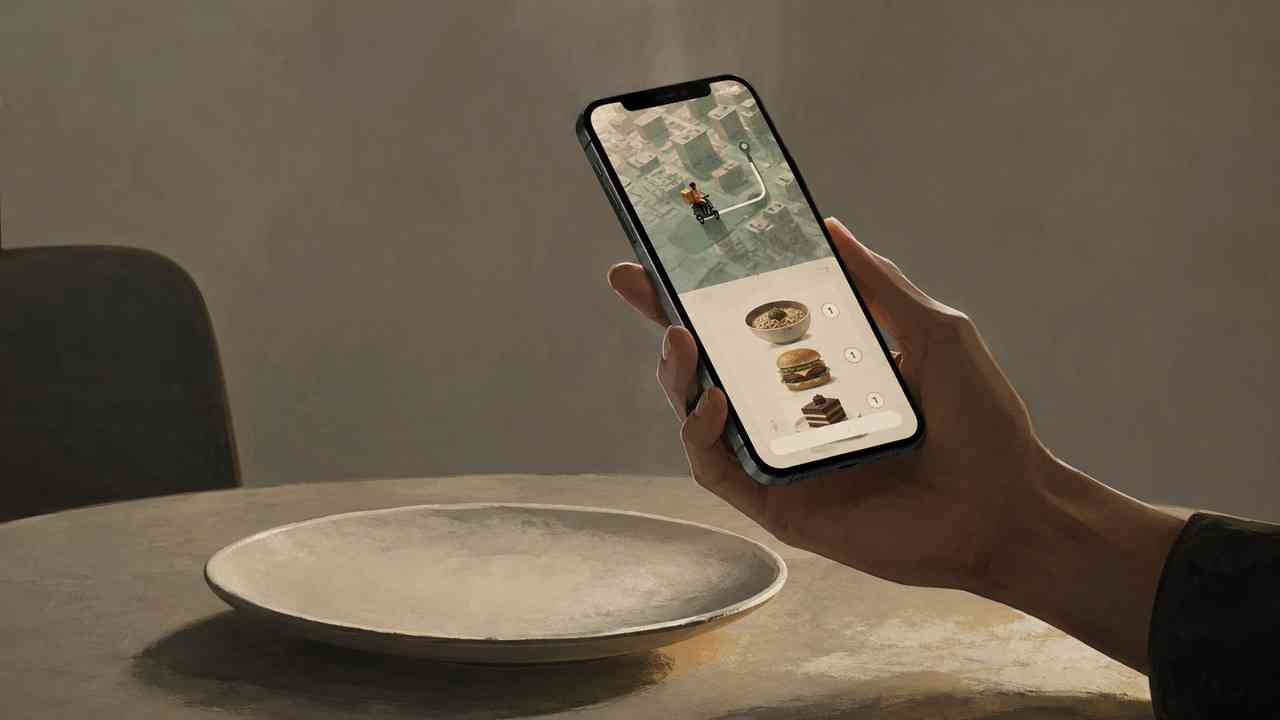
Fake shopping apps are no longer just an internet joke. Free apps and websites that let users browse restaurant menus, add products to a cart, place an order, and track a virtual courier are gaining popularity. The user pays nothing, and the “ordered” item never arrives. All that remains is a short emotional effect.
The phenomenon of virtual stores and apps began in South Korea and has gained much more visibility in recent months, especially among Gen Z users. In practice, these services imitate the experience of ordering food or buying products, but they stop at the simulation of the transaction itself.
One of the best-known services is FoodNeverComes. The user browses dishes from more than a dozen cuisines, reads reviews, adds items to a cart, pretends to “pay,” and watches the courier move across a map. The food never reaches the customer, yet the platform claims it has already satisfied nearly 1 million such “cravings.”
Another example is the American Dopamine Shop, which offers everything from a 99-cent pet rock to a moon priced at 99 million dollars. The cart fills up, but payment never happens. The whole sequence of actions familiar from real shopping apps remains intact, except for the final step: delivery.
At first glance, this may look like a strange joke. Yet the trend speaks directly to a very contemporary tension. On one side, people feel increasingly tired of consumption and more cautious about spending. On the other, they still want quick relief, an emotional stimulus, and a brief sense of control. In this arrangement, fake shopping apps become a simplified version of a familiar shopping ritual: the cost and risk disappear, but the mechanism of pleasure remains.
Psychology describes this mechanism well. Researchers have long known that the strongest tension in shopping does not have to come from owning the thing itself. It often comes from what happens earlier: anticipation, choosing, comparing, and imagining the end point. Expectation itself can trigger a strong emotional reaction. Studies of reward processing show that the brain responds differently to the anticipation phase than to the moment of receiving the reward.
Pleasure does not begin only when the product arrives. Often, the act of ordering already sets it in motion, because expectation and the ritual of choosing trigger a dopamine-driven reward response. That is why such apps work despite their apparent absurdity. The user receives exactly the part of the experience that can feel most psychologically attractive: choice, tension, a short wait, and a brief sense of agency.
This model did not appear in a vacuum. Classic e-commerce has long earned money not only from selling the product itself, but also from time spent in the app, repeated returns to the cart, habit formation, and data about user preferences. Services that simulate deliveries take this logic 1 step further. They do not need to organize logistics or shipping, because the entire model rests on interaction itself.
In practice, this means monetizing attention, advertising, and consumer behavior. Through activity-tracking mechanisms, apps can record what the user browses and chooses, then use that data for advertising profiles. Fake shopping apps therefore become not only a source of brief satisfaction, but also a source of information about preferences. From a business perspective, this is an unusually convenient solution: the platform receives the user’s attention without paying the cost of a real delivery.
This phenomenon offers an example of a broader shift in consumer culture. Once, owning the object mattered most. Today, the moment before the purchase matters more and more: browsing, selecting, clicking, and waiting. Apps with fake deliveries show this process in its purest form. They represent an extreme, simplified version of shopping, but they also reveal something sharply: satisfaction from consumption increasingly moves away from the thing itself and toward the process of desiring it.
In the end, fake shopping apps are not only a curiosity from the internet’s stranger corners. They show how easily the ritual of consumption can survive even after the product disappears. Nothing is bought, nothing arrives, and yet the emotional machinery of shopping keeps running.
Read this article in Polish: Nic nie płacisz i nic nie dostajesz. Pokolenie Z kupuje na niby


A Journalism and Social Communication graduate with 15 years of experience in the media industry. He has worked for titles such as "Dziennik Łódzki," "Super Express," and "Eska" radio. In parallel, he has collaborated with advertising agencies and worked as a film translator. A passionate fan of good cinema, fantasy literature, and sports. He credits his physical and mental well-being to his Samoyed, Jaskier.


Zmień tryb na ciemny