Science
Whose Side Is the Expert On?
30 September 2026





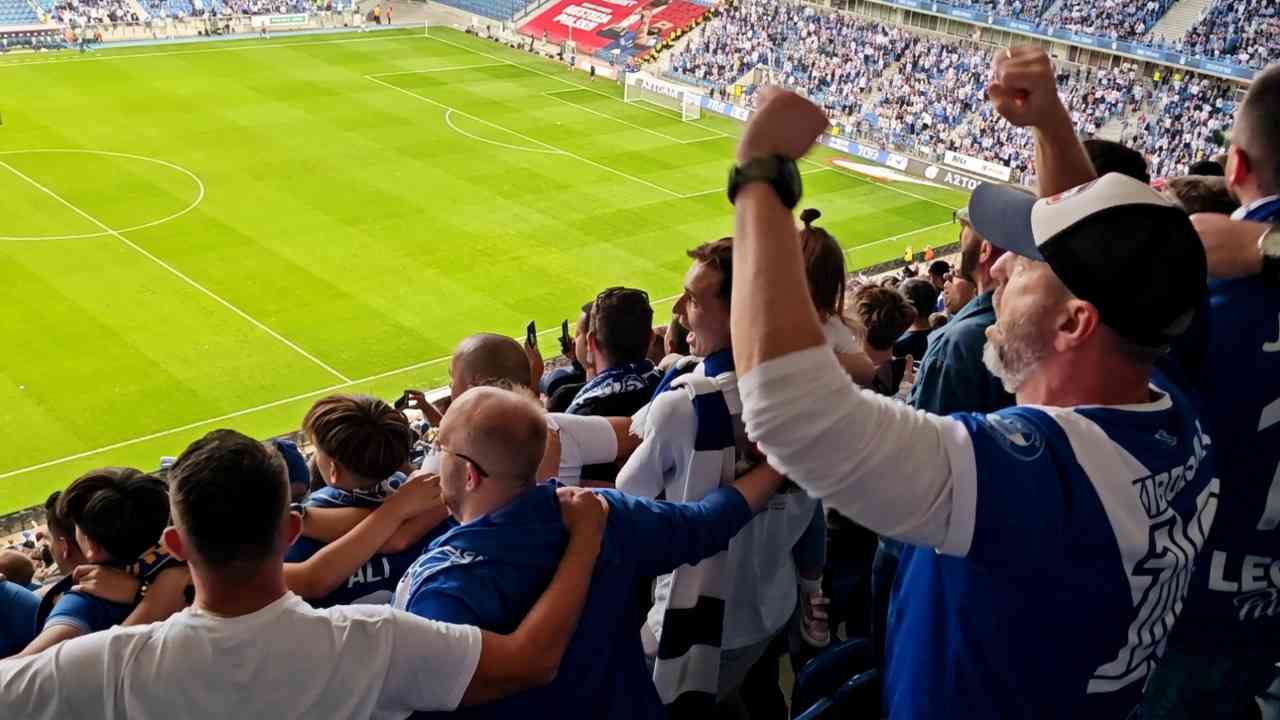
Poland will not be at this year’s World Cup, but Polish football has not disappeared from Europe. Jacek Piekara, a fantasy writer and football fan, writes about a lesson Polish club football learned very late: clubs long associated with potato fields, corruption, and stadiums from another era are now climbing the UEFA rankings and playing for ever larger sums of money.
My generation still remembers the great successes of the national team: the 2 third-place finishes at the World Cup, in 1974 and 1982. But behind that medal-winning façade, beneath that thin layer of gold, lay poverty, pathology, and neglect in every possible area. Today we do not have a high-quality national team. In exchange, however, we have become Europe’s 10th club power, and that brings enormous financial bonuses.
How did it happen that this year, for the first time, as many as five Polish clubs will play in European competitions? Why are we now only 1 step away from the Polish champion entering the league phase of the Champions League directly, without having to go through qualifying rounds? And how did Polish club football, ranked only a few years ago around 30th place alongside such “powers” as Luxembourg, Belarus, and Liechtenstein, come to knock so boldly on the door of the elite?
Today’s football means gigantic money. The biggest leagues have budgets comparable to those of small countries. The English league generated more than 7 billion euros in revenue in 2023. Players earn tens of millions of euros a year, and transfers worth several dozen million euros no longer surprise anyone.
Professionalism in football has always existed, but only recently has it reached such an enormous scale. It is also worth remembering that in the communist era, in Poland and other socialist countries, professional football officially did not exist. In theory, players were police officers, soldiers, miners, steelworkers, railway workers, or students. In practice, they saw their workplace only once a month, when they came to collect their wages.
In the West, the system was much more honest. Clubs simply offered professional contracts, although poorer clubs also sometimes used a mixed model, for example when a club owner formally employed players in his own company.
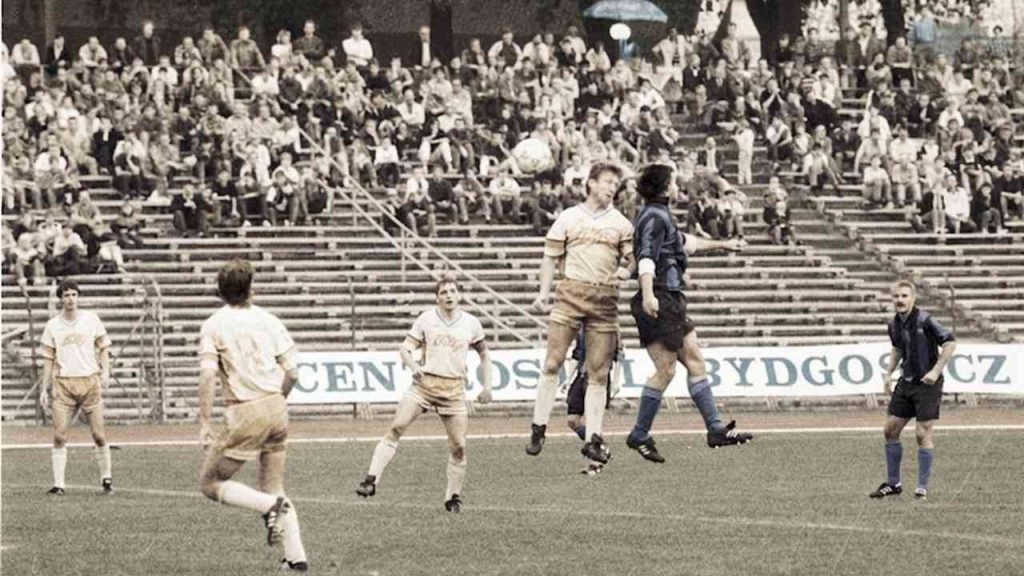
Polish football never had money on a scale comparable to the West. We were the poor relatives, excited by modest earnings that Western clubs would barely consider pocket change. Our stadiums were miserable, lacking proper infrastructure for training, supporters, and commerce. The pitches, meanwhile, were often dreadful — closer to potato fields than sporting arenas.
We had a pathological system of financial management and oversight. Finally, we had omnipresent, all-consuming corruption, crooked referees, and club owners who were either fraudsters or genuinely wealthy people without the skills needed to manage such a specific branch of business as football. But from the time Poland hosted Euro 2012, everything began to change for the better. For some clubs, the leap was enormous. For others, it was a slow evolution.
Today, the financial gap separating us from the footballing West has not narrowed at all. The rich are getting richer, while the poor… well, here the old saying that “the poor get poorer” no longer quite fits. Money also trickles down to countries and clubs outside the global superleague.
Of course, the gap remains vast. Gigantic, in fact. The rich are becoming much richer, while the poor are becoming only a little richer. For example, the value of all the players in the leading Polish clubs is lower than the value of a single star from the English, Spanish, Italian, or German league.
Of course, we must always remember another well-known saying: “money does not play on the pitch.” In Poland, billionaire Robert Dobrzycki, the owner of Widzew Łódź, learned this lesson very well. This season, he spent more than 20 million euros on player transfers, which remains a cosmic sum in Polish football. The only result was that he almost got Widzew relegated to a lower division.
What football, both Polish and foreign, has taught us is that money must be spent wisely. Otherwise, one might just as well use it to light a fire in the fireplace.
Fortunately, Poland now has more and more clubs that are quite well managed, led by owners who have either learned the secrets of such management themselves or know how to hire properly prepared professionals. Just as importantly, they then know how to trust them, even when not everything goes their way from the start.
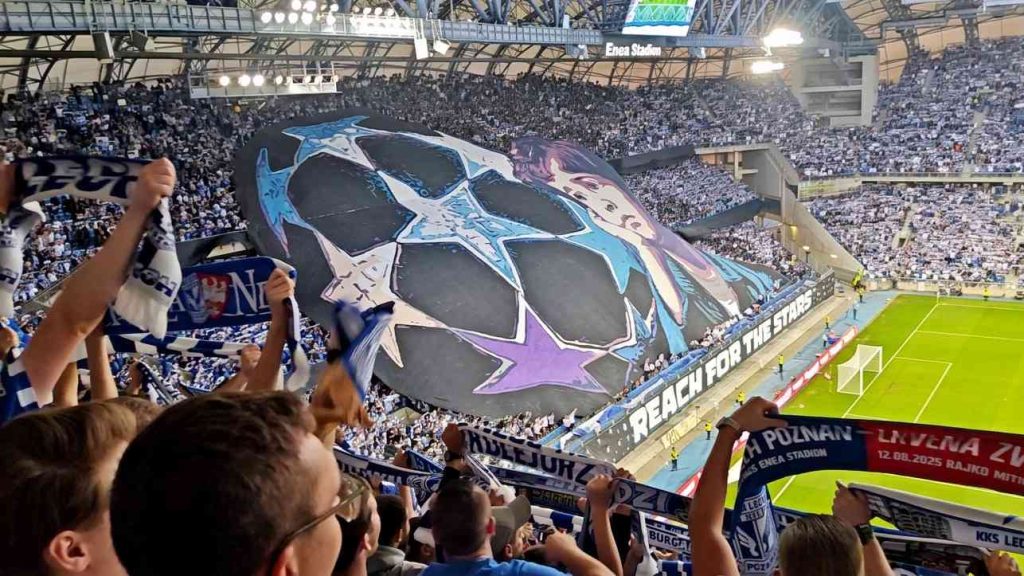
Poland is a relatively affluent country. We now have impressive stadiums, well-kept pitches, and modern football academies. Players and coaches come to Poland even from countries richer than ours. Supporters, too, are increasingly affluent, while football’s public image keeps improving.
Supporting a club is no longer regarded as an activity fit only for a primitive mob. After all, as everyone knows, a true intellectual spends his free time reading Finnegans Wake in the original. Football is now treated as a social event not only for the so-called middle class, but also for people who rank high in wealth, politics, or public recognition.
Such supporters also have appropriately high expectations, not only regarding the level of play, but also their own comfort and safety. All these factors support and depend on one another. Their driving force, of course, is sporting success, which in today’s world increasingly depends on money and on spending it sensibly.
The authorities of football organisations such as FIFA and UEFA understand perfectly well that the wealth of countries and clubs is also their wealth, and that money passed on to those countries and clubs comes back. That is why football authorities keep expanding tournament formats. This year, as many as 48 teams will play in the World Cup finals.
To me, this still sounds unbelievable, because I remember when, in 1974, there were 16 teams. In European club competitions such as the Champions League, the Europa League, and the Conference League — and it is precisely our clubs’ successes in the latter that allowed us to rise in the rankings — as many as 108 teams will advance to the final league phase. ONE HUNDRED AND EIGHT.
Now convert that into revenue from television rights, matchday income — tickets, merchandise, food, and drinks — and finally the unquantifiable but very important marketing gains: strengthening the club’s brand and the brands of the players involved in the competitions, which later allows for better transfers.
UEFA allocates almost 3.5 billion euros in prize money to clubs taking part in European cups. THREE AND A HALF BILLION every year. At this moment, it can afford to share such profits with clubs. And that amount will only grow.
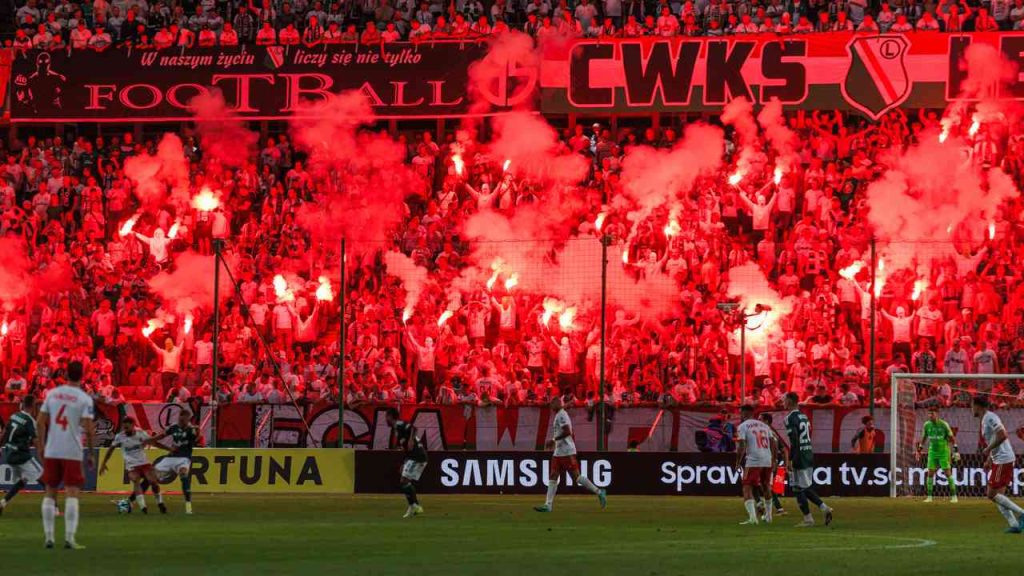
The Polish league is not yet receiving large slices of this enormous financial cake. But already, for clubs doing well in European competitions — such as Legia Warsaw, Lech Poznań, Jagiellonia Białystok, and Raków Częstochowa — income from European tournaments has become an important part of the budget. This year, those four clubs earned a combined 26 million euros from bonuses alone.
The doors to truly big money have opened wide for Polish clubs playing in Europe. The next few seasons will decide whether we, as the Polish league, continue our victorious march and consolidate our position in the top 12, or perhaps even the top 10, of the rankings. A place in the ranking translates directly into earnings. Or we may fall back again into colourless mediocrity.
And one more thing: as fans, we may mock the defeats of teams we dislike. For example, Lech Poznań’s defeat to the champion of Gibraltar — yes, really — triggered jeers and fits of laughter among supporters of other clubs. But in Europe, we should support every Ekstraklasa team.
That is simply how international cup competitions work. Legia’s victories benefit Lech, and Lech’s victories benefit Legia, and the same applies to every other club. For the duration of European competition, then, domestic grievances are worth putting aside. In the international cups, every win by Legia helps Lech, every win by Lech helps Legia, and every successful Polish team strengthens Polish club football as a whole.
Read this article in Polish: Jacek Piekara: Polska futbolową potęgą? To już nie brzmi jak żart

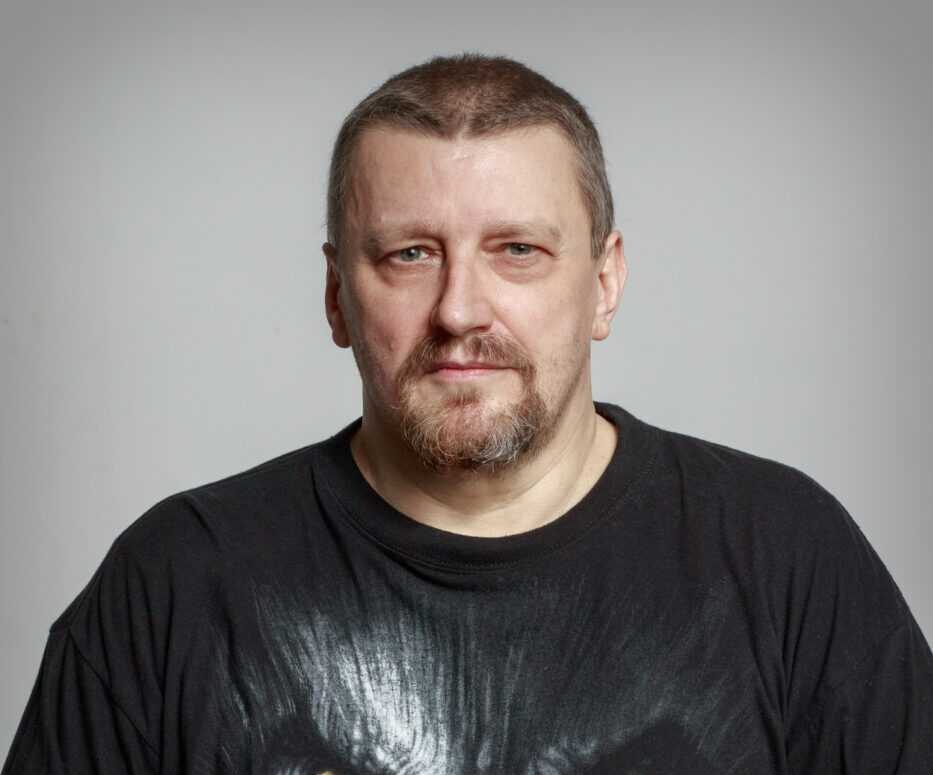
Jacek Piekara: One of Poland's most popular fantasy writers, a journalist, and a columnist. He is the author of the widely acclaimed "Inquisitor Series" (Cykl Inkwizytorski), dozens of books, and numerous short stories. Piekara has also contributed to specialized and popular press, including the magazines Click! and Gambler. In addition to literature, he writes scenarios for computer games and works as a publicist.


Zmień tryb na ciemny