Truth & Goodness
Played for Money. Gambling Addiction Was Taking a Life
13 September 2026





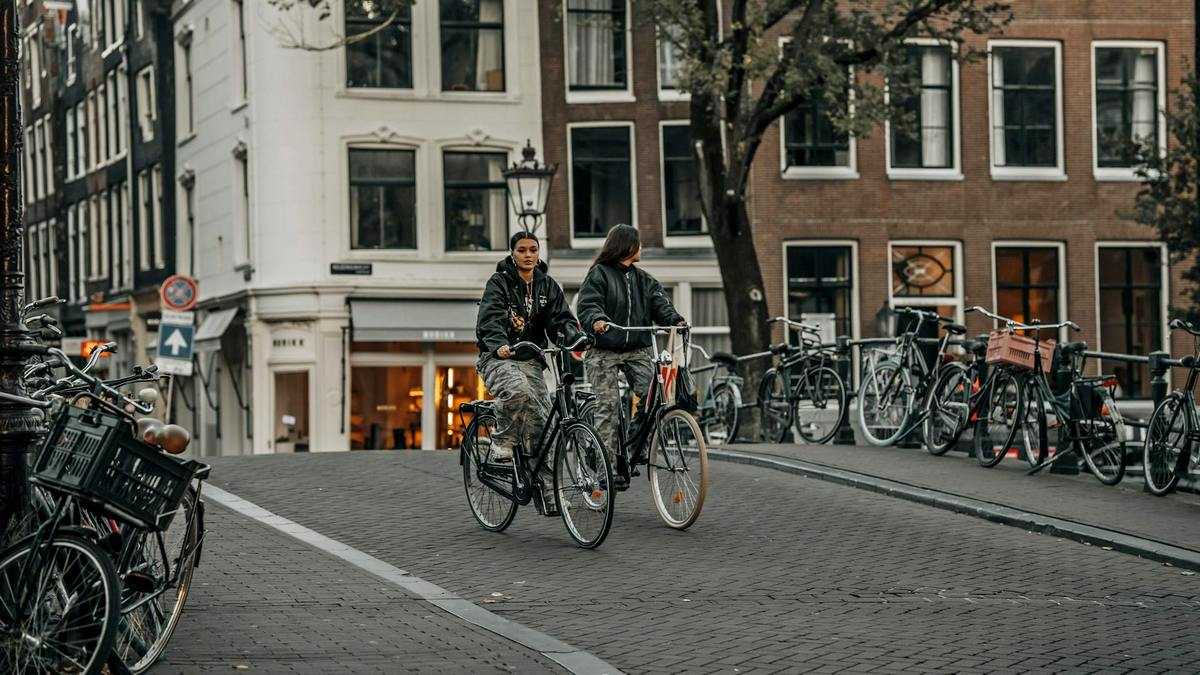
Quieter, cleaner, without the smell of exhaust or the sound of irritating horns. In cities that restrict car traffic, residents gain space, safety, and better air. But not everyone is willing to leave their keys at home and switch to a bike or a tram. Are car-free cities a realistic future, or a costly experiment that won’t work everywhere?
Cars are one of the primary sources of air pollution in urban areas. According to the European Environment Agency (EEA), road transport accounts for about 30% of CO2 emissions in EU cities. Road traffic causes suspended particulate matter (PM2.5 and PM10) to significantly exceed WHO standards in metropolises like Warsaw or Krakow. Conversely, air quality is noticeably better in places that restrict vehicle access, such as Copenhagen or Amsterdam. In the Danish capital, for example, a staggering 62% of residents choose to commute to work by bike. The concentration of PM2.5 there is lower than in cities of similar size dominated by cars.
Fewer cars also mean less noise. The World Health Organization estimates that street noise in large cities can cause stress, sleep disorders, and even increase the risk of heart disease. In the Dutch city of Groningen, the city center is almost entirely closed to cars. According to urban planners, noise levels there have dropped significantly compared to the 1970s, which corresponds to the subjective feeling of an environment being “twice as quiet.”
Cars occupy vast areas of our cities. In Los Angeles, where car culture is deeply rooted, parking lots and roads take up as much as 70% of the downtown area. In cities like Utrecht in the Netherlands, which prioritize cyclists and pedestrians, this space is being reclaimed for parks, squares, and cafes. Utrecht revitalized its city canals, removing parking lots in favor of boulevards and bike paths. The result? An increase in tourism and higher resident satisfaction with the quality of life.
Reducing car traffic also decreases the number of accidents. In the Netherlands, where cycling infrastructure is exemplary, the number of fatal road accidents per capita is one of the lowest in Europe—3.8 per 100,000 people in 2023, compared to 5.1 in Poland. Car-free cities also promote inclusivity—pedestrians, people with disabilities, and children gain a safer environment.
Proponents of car-free cities point to the growth of the sharing economy—from city bikes to car-sharing. In Paris, the Vélib’ city bike system records up to 300,000 trips a day. Meanwhile, Low Emission Zones (LEZ) reduced car traffic in the center of the French capital by 20% between 2015 and 2022. Such solutions help reduce the demand for cars and lower vehicle maintenance costs for residents. “The future of cities is not cars, but people. Streets should be meeting places, not parking lots”—this is one of the mottos of Anne Hidalgo. The Mayor of Paris has introduced an ambitious plan to restrict car traffic by 2030.
Transforming cities into car-free spaces requires gargantuan investments. Building cycling and tram infrastructure or car-sharing systems involves investments in the billions of euros. For instance, Oslo, which strives for car-free status, invested €1.2 billion between 2015 and 2025 in public transport and bike paths. The expansion of bike lanes in Copenhagen cost €250 million. For an average Polish city, such costs can be disproportionately high relative to the available budget. The modernization of public transport in Rzeszów or Białystok has absorbed an average of 200–300 million PLN per city over the last decade, and yet it has not satisfied all needs.
Another often immense challenge is changing residents’ habits. In Madrid, the introduction of a low-emission zone (Madrid Central) in 2018 triggered protests from drivers who felt excluded. Although air pollution dropped by 15%, many suburban residents complained about difficulties reaching the center. In Poland, similar attempts (such as closing streets in Krakow) meet with criticism from business owners who fear a drop in turnover. In the aforementioned Madrid, restricting traffic in the center initially reduced shop turnover by 10–15%, though the trend reversed after three years due to the higher number of pedestrians.
Despite their flaws, cars offer a flexibility that cannot always be replaced by public transport or cycling. In the USA, there are vast cities (Phoenix, Houston) designed with cars in mind. Introducing a car ban there would lead to a logistical nightmare. In Houston, 92% of residents use cars for their daily commute, while public transport handles only 3% of trips. Even in Europe, in cities like Lisbon or Athens, where public transport is less developed, residents still rely on cars.
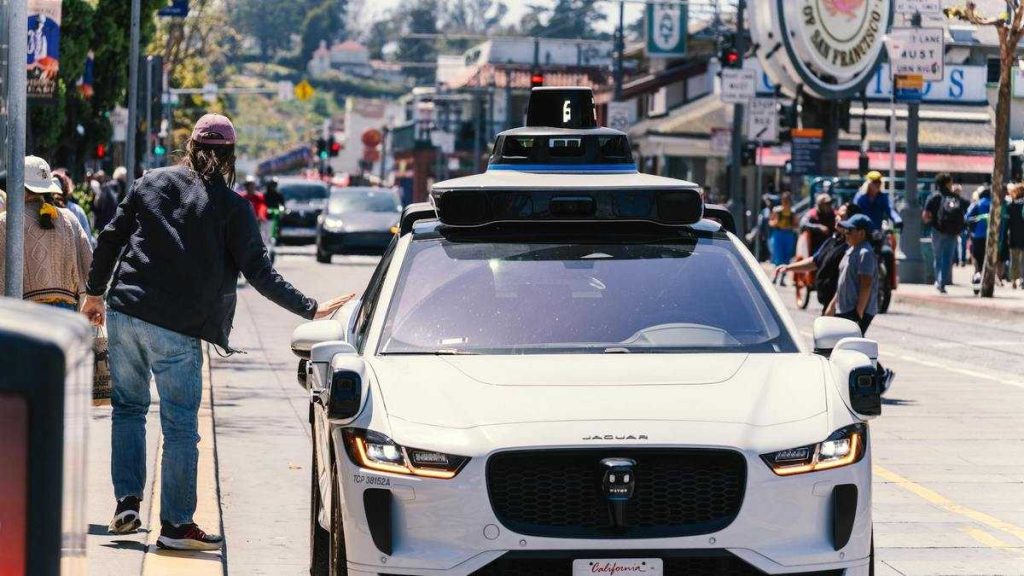
In the United States, there is growing talk of autonomous cars that could revolutionize transport instead of eliminating it. Companies like Waymo and Cruise are testing fleets of driverless taxis in Austin and San Francisco. In 2024, they performed a total of 2.5 million trips. In San Francisco alone, Waymo, owned by Alphabet, already handles over 100,000 trips per month with its autonomous taxis. Supporters claim these vehicles are safer (an 80% reduction in accidents in Waymo tests) and more efficient because they can be shared, thereby reducing the number of cars on the roads.
However, it must be remembered that this solution also comes with challenges, sometimes very specific ones. Modernizing infrastructure itself is a massive investment—it is estimated that adapting roads in an average US city costs $500 million. For large metropolises, we are talking about $10–20 billion to be spent by 2035. Despite positive test results, 12 incidents involving autonomous cars were recorded in San Francisco in 2023 alone, including one fatality. The issue of accidents involving driverless cars brings up an ethically vital question: how to program a vehicle to choose the “lesser evil” in the event of a collision (and what should that be)? This problem remains unsolved.
In the German city of Freiburg, the Vauban district was designed around the idea of car-free cities. Residents park their cars on the outskirts, and 70% of trips are made on foot or by bike. The result? As many as 80% of residents declare that their quality of life has improved. However, real estate prices in the increasingly popular district have also risen—by 25%.
Spanish Pontevedra is an example of a radical approach. Since 1999, the city center has been closed to cars, which reduced CO2 emissions by 67% and road accidents by 90%. The cost? Rebuilding streets and social campaigns cost €20 million. The city gained, but lost some businesses dependent on customer access by car.
In Singapore, the Electronic Road Pricing (ERP) system reduced traffic by 24% but raised living costs for drivers by 10–15% annually.
The Netherlands is the model for a bike-friendly city. In Amsterdam, 38% of trips are made by bike, and the city invested €600 million in cycling infrastructure between 2010 and 2020. The result? An 11% drop in CO2 emissions and 30% fewer road accidents in the center according to city reports. However, the Dutch model required decades of planning and a shift in mentality. The latter cannot be achieved everywhere in a short time.
Car-free cities are an inspiring vision, but one full of challenges. Europe shows that a cycling revolution and public transport can bring benefits, but they require time, money, and a change in mindset. The United States, on the other hand, bets on technology that promises efficiency but does not solve the problem of overcrowded roads. The costs—both financial and social—are enormous, and success depends on local realities.
Added to this is social resistance and the desire to remain independent. For many, owning a car and being able to move at one’s own discretion represents freedom. Many societies, including Poles, react allergically to attempts at implementing social engineering through bans and the promotion of fashionable European trends. Are car-free cities the future? Perhaps, but for now, they are more of an experiment than a universal solution.
Read this article in Polish: Bez pisku opon, ale za jaką cenę? Przyszłość miast bez samochodów


Television and press journalist, publicist. He published reports, investigative materials, and interviews in outlets such as Gazeta Wyborcza, Tygodnik DoRzeczy, Tygodnik Przegląd, and on the Onet portal. He collaborates with the Warsaw Enterprise Institute. Author of two editions of "Black Book" – a publication dedicated to the waste of public money, and the book "Myths and Spells of the 21st Century." Laureate of the Polish Chamber of Electronic Communication's Crystal Screen award for his report titled "Monsters," focusing on the issue of violence against children.



Zmień tryb na ciemny