Truth & Goodness
Circadian Rhythm and the Quiet Order of the Day
04 September 2026





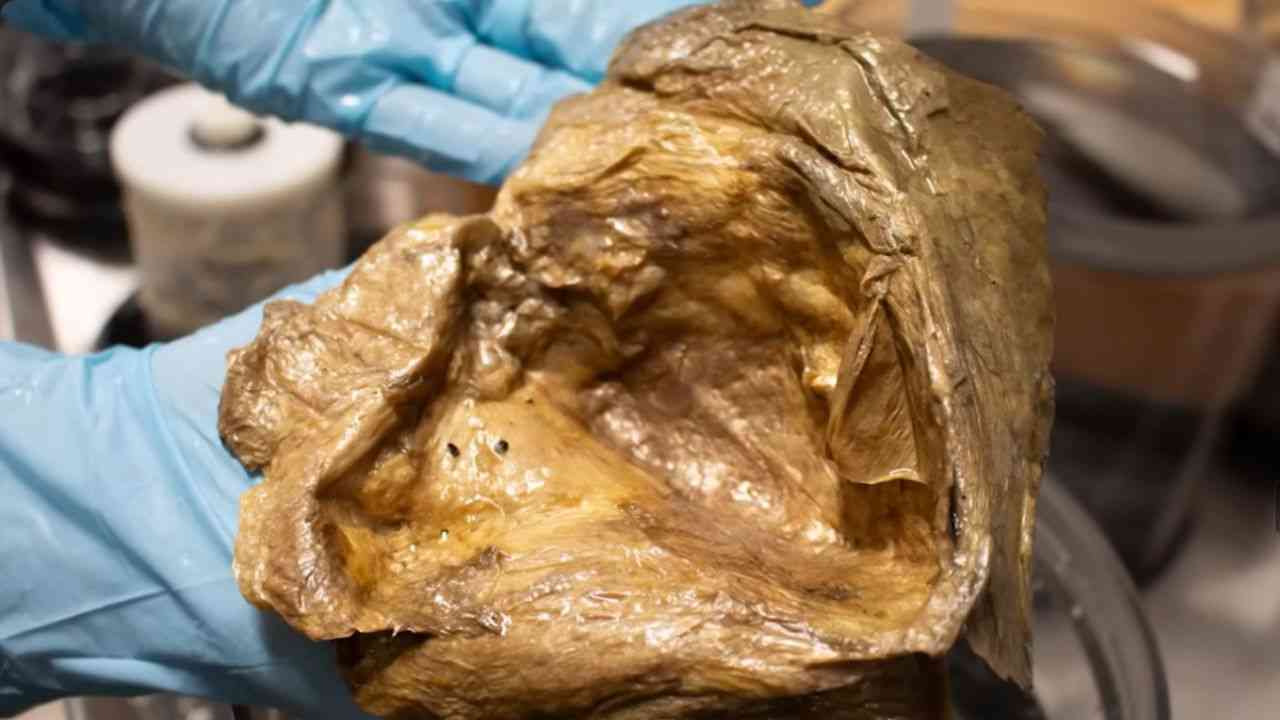
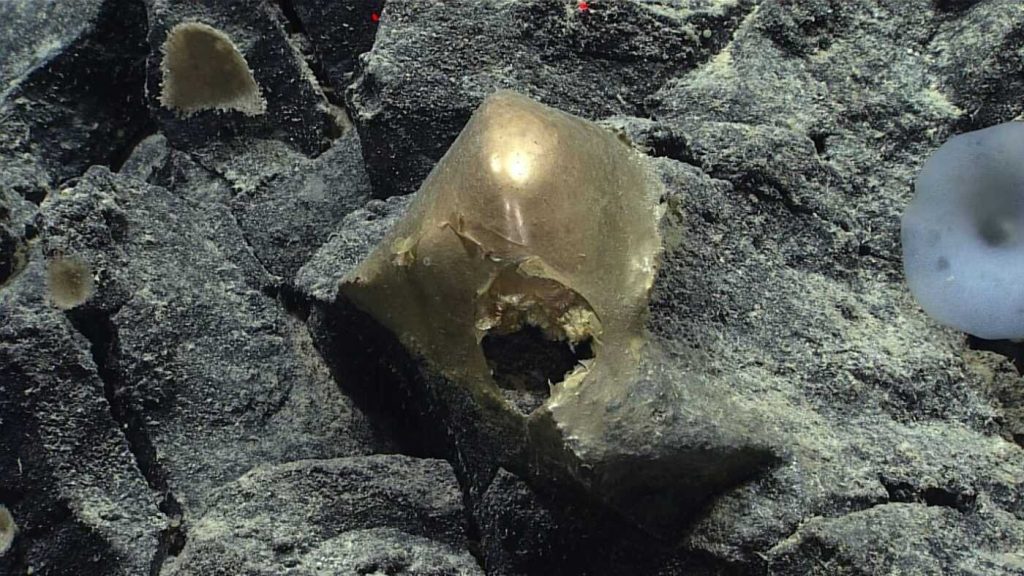
The golden orb in the ocean was discovered more than 2 years ago, and no one knew what it was. Nicknamed the golden orb, it became one of the great mysteries of the deep sea. Now, after advanced testing and the use of new research tools, scientists have found that it is a trace left behind by a little-known organism.
It all began in 2023 in the Gulf of Alaska. A remotely operated vehicle belonging to NOAA Ocean Exploration discovered a strange golden object 2 miles underwater. It was attached to a rock and had a round shape, with an opening in the middle. It looked like an egg, which is why many people suspected that this was exactly what it was. The problem was that no one could identify the species it might have come from.
Experts from several fields puzzled over it. Some scientists openly admitted that they did not know what they were dealing with. Standard visual inspection did not help, nor did the first attempts at identification. The mysterious underwater discovery quickly became a sensation, one we also covered on our website.
To solve the mystery of the NOAA golden orb, researchers had to assemble a special team of experts from different disciplines. They carried out a detailed assessment in as many as 5 areas: genetics, bioinformatics, deep-sea biology, microscopy, and morphology.
The first analyses did not reveal the typical anatomy of an animal. Scientists found that the fibrous, layered material contained stinging cells, which are characteristic of organisms such as corals, jellyfish, and sea anemones. A comparison with a similar specimen collected in 2021 during another deep-sea expedition also helped.
Even so, the next stages of the research were far from simple. Detailed DNA testing finally moved the investigation forward. In the end, scientists found that they were dealing with Relicanthus daphneae, a mysterious deep-sea organism related to sea anemones.
According to a preprint published on bioRxiv, the nearly 3-year mystery of the golden orb has most likely been solved. It was not an egg. The NOAA golden orb was not an alien remnant, and it was not a sponge. It was a relic of a deep-sea anemone. Yet even as the work of American and Canadian experts nears its conclusion, something else matters just as much as the discovery itself.
Despite many years of deep-ocean research, aquatic species still exist that remain a mystery to us. This shows just how complex the environment in which we live really is:
That is why we continue to explore, to uncover the secrets of the deep and better understand how the ocean and its resources can drive economic growth, strengthen our national security, and sustain life on our planet.
Captain William Mowitt, acting director of NOAA Ocean Exploration, summed it up this way on the website of the National Oceanic and Atmospheric Administration.
What is more, future dives by the vessel taking part in deep-ocean research can be watched live. This is possible thanks to broadcasts from NOAA Ship Okeanos Explorer. In this way, we too can witness new discoveries without leaving home.
And perhaps that is what makes this story so gripping. The deep ocean does not have to invent monsters to unsettle us. Sometimes it is enough to reveal a strange golden orb in the ocean and remind us that the planet still keeps much of itself out of sight.
Read this article in Polish: Znaleźli ją ciemnościach oceanu. Złota kula wreszcie zdradziła sekret


A graduate of journalism and social communication at the University of Rzeszów. She has been working in the media since 2019. She has collaborated with newsrooms and copywriting agencies. She has a strong background in psychology, especially cognitive psychology. She is also interested in social issues. She specializes in scientific discoveries and research that have a direct impact on human life.



Zmień tryb na ciemny